Cost segregation for auto dealerships: shop equipment, signs and the sales lot on shorter schedules
A dealership is a showroom, a workshop and a lot. The IRS's dealership table puts service and body-shop equipment, portable displays and brand signs on a 5-year schedule and vehicle display and parking areas on 15, not 39 with the building. NoCostSeg finds them and shows the row behind each one.
- The study is free
- No card
- About 10 minutes
Paint booths, compressors, above-ground lifts and fluid-recovery machinery are examples in the five-year equipment row.
Lifts, trays and fluid supply or waste-recovery systems within a pit are separated from the pit itself.
Movable metal ramps and portable turntables are listed as five-year display equipment.
Equipment-specific plumbing, including car-wash hook-ups, is distinguished from general building plumbing.
Grade-level employee, customer and vehicle parking areas are listed as 15-year land improvements.
- $319,306
- depreciation in year one, with the study
- $33,333
- in year one without it
- 42 of 75
- rows in the IRS's table leave the building's schedule
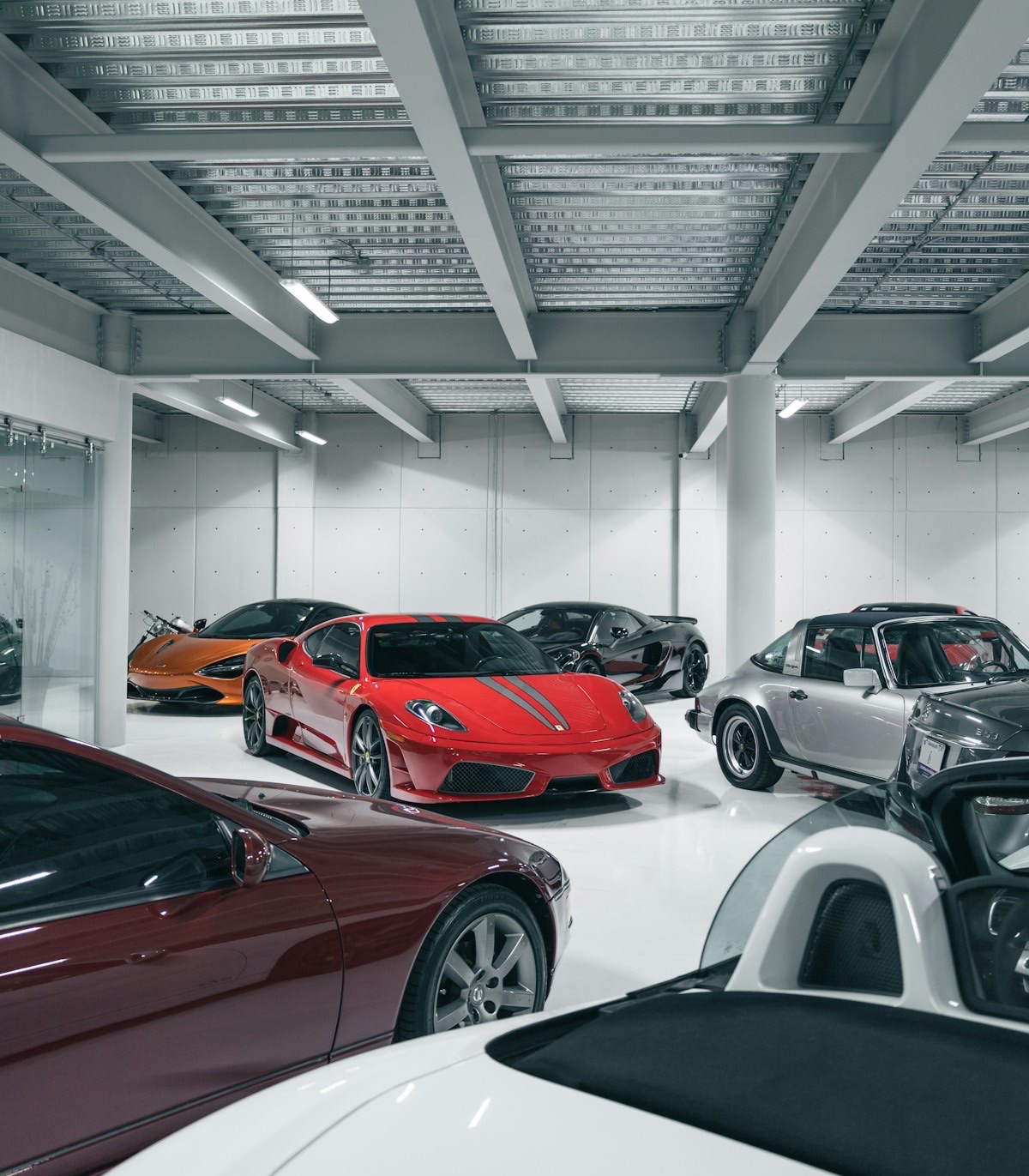
The picture and the first two figures are an illustration: a showroom with a service department, with invented costs, run through the same engine that prepares a study. See how it is worked out.
Where the shorter schedules come from in auto dealerships
Service and body-shop equipment
Paint booths, compressors, above-ground lifts and fluid-recovery machinery are examples in the five-year equipment row.
Equipment inside service pits
Lifts, trays and fluid supply or waste-recovery systems within a pit are separated from the pit itself.
Portable vehicle displays
Movable metal ramps and portable turntables are listed as five-year display equipment.
What moves, what stays
Not everything in the building is the building
The IRS's table for auto dealerships puts some components on 5, 7 or 15-year schedules and keeps others with the building. Which one a component gets depends on what it is and how it is attached.
Rows in the IRS table for auto dealerships
75- 5-year
- 29
- 7-year
- 1
- 15-year
- 12
- Stays in the building
- 31
- Land
- 2
- Depends on the facts
- 0
These counts describe rows in the IRS table, not an allocation of your property's cost.
Also moves out of the building
More of what the IRS's table for auto dealerships puts on a shorter schedule, with the row behind each one.
Dedicated car-wash connections
Equipment-specific plumbing, including car-wash hook-ups, is distinguished from general building plumbing.
Brand and department signs
Signs displaying trade names or department identity follow the five-year row, which includes only the face of a pylon sign.
Vehicle display and parking areas
Grade-level employee, customer and vehicle parking areas are listed as 15-year land improvements.
Off the building's schedule
What stays with the building
A study that moves these is the kind an examiner picks apart. We leave them on the building's schedule and show the row that says why.
The service pit's structure
The below-floor work area with concrete walls and floors remains part of the building.
Service-bay doors
Overhead, roll-up and service-bay doors stay with the building, including their related hardware.
Bollards protecting the building
Permanent barriers protecting service-bay doors, storefronts or building corners follow the building row.
Comfort heating and cooling
Central HVAC serving significant customer-comfort or building-ventilation purposes remains building property.
Stays with the building
Worked example
A showroom with a service department, year by year
Invented figures, run through the same engine that prepares a real study.
A fictional dealership with shop machinery, equipment inside service pits, a portable display turntable, car-wash connections and surface parking.
Illustration- Purchase price
- $3,000,000
- Land
- $600,000
- Depreciable basis
- $2,400,000
Shop machinery
$100,0005-yearPub. 5653, p. 233Equipment inside service pits
$35,0005-yearPub. 5653, p. 231Portable display turntable
$15,0005-yearPub. 5653, p. 231Dedicated car-wash connections
$20,0005-yearPub. 5653, p. 234Surface parking
$120,00015-yearPub. 5653, p. 234
Where the basis goes
- 5-year
- $170,000
- 15-year
- $120,000
- 39-year building
- $2,110,000
Depreciation in the first five tax years
More depreciation in year one
+$285,972
Later years are lower with the study: the same cost, deducted sooner.
See the figures
| Year | With study | Without study |
|---|---|---|
| 2026 | $319,306 | $33,333 |
| 2027 | $54,103 | $61,538 |
| 2028 | $54,103 | $61,538 |
| 2029 | $54,103 | $61,538 |
| 2030 | $54,103 | $61,538 |
Assumed contract date: 2026-01-20. Assumed placed-in-service date: 2026-06-01.
These are depreciation deductions, not tax savings. The engine applies its 100% bonus rate for these dates, assuming the selected components qualify; it uses the half-year convention for short classes and mid-month for the building. The comparison does not apply owner-specific tax limitations.
The property and all costs above are invented for this illustration. Each component is assumed to match its cited row; the remaining basis stays in the building. The allocation and annual figures are calculated by the same depreciation engine used for a study, rather than entered as example results.
From the IRS's guide
How to read the auto dealerships table
Written from the pages cited under each paragraph. Follow a citation to open that page of the IRS's own PDF.
The guide is written for IRS examiners. It is not legal authority; it shows how the IRS itself sorts these components.
At an auto dealership, a service bay contains both a permanent workplace and the equipment used to repair vehicles. The dealership matrix makes that distinction unusually concrete: a floor pit with concrete walls and a working area below the garage floor stays with the building, while lifts, fluid piping and recovery equipment within the pit have a separate five-year entry. The introductory guidance was developed specifically for examining dealership property classifications.
The sales lot presents a different set of choices. Permanent concrete display ramps and fixed exterior turntables are land improvements; movable metal ramps and portable turntables are equipment. Protective posts also require a description of what they protect. The table separates barriers protecting service-bay doors, building corners and similar building features from barriers placed around machinery or particular areas of the site. An outdoor location does not settle the class by itself.
Within the service and parts departments, the machinery row names paint booths, air compressors, fluid recovery systems and above-ground lifts. Dedicated plumbing to a car-wash system can be distinguished from plumbing available for general use. Yet service-bay doors remain building components, and a brand sign is not the same asset as every pole or structure supporting it. These examples make function, attachment and the particular installation central to reading the dealership table.
The full table
The reference, row by row
All 75 rows from LMSB DIRECTIVE ON COST SEGREGATION IN THE AUTO DEALERSHIP INDUSTRY - EXHIBIT A, including the conditions behind each classification. Open a class to read its rows.
Pub. 5653, pp. 226–2395-year29 rows
Rows that place a component in the 5-year class.
Awnings & Canopies
Pub. 5653, p. 226
Readily removable overhang or covering, often of canvas or plastic, used to provide shade or cover over a storefront, a window, or a door; or used inside a structure to identify a particular department or selling area.
Table period: 57.0 Distributive Trades and Services --5 Years
Read the full row
Readily removable overhang or covering, often of canvas or plastic, used to provide shade or cover over a storefront, a window, or a door; or used inside a structure to identify a particular department or selling area. Also includes canopies designed to protect employees and gasoline fueling equipment from weather conditions and to act as advertising displays that are anchored with bolts and are not attached to buildings or other structures. Does not include permanent canopies that are an integral part of a building’s structural shell, such as porte-cochere (covered entrances for vehicle drive-up) and porticos (covered porches), or over docks. See also Concrete Foundations & Footings, Loading Docks, and Signs.
Bollards & Guardrails
Pub. 5653, p. 227
Bollards (heavy steel posts) and Guardrails, not permanently attached and not intended to be permanent, placed near machinery and equipment inside buildings that can be damaged by vehicular traffic.
Table period: 57.0 Distributive Trades and Services --5 Years
Read the full row
Bollards (heavy steel posts) and Guardrails, not permanently attached and not intended to be permanent, placed near machinery and equipment inside buildings that can be damaged by vehicular traffic. Bollards and Guardrails withstand vehicular impact and protect personal property items such as: forklift recharging stations, service write-up station, hazardous material storage racks, service department air compressors, etc.
Cabinetry
Pub. 5653, p. 227
Includes cabinets and counters related to the retail activity and not related to the operation and maintenance of the building.
Table period: 57.0 Distributive Trades and Services --5 Years
Read the full row
Includes cabinets and counters related to the retail activity and not related to the operation and maintenance of the building. For example: retail counters and cabinets, display shelving and cabinets, customer reception counter, Customer Lounge Area cabinets and counters, Sales Area cabinets and counters, parts counters, etc. See also Retail Fixtures and Office Furniture.
Computers
Pub. 5653, p. 227
Processors (CPU), direct access storage device (DASD), tape drives, desktop and laptop computers, CRT, terminals, monitors, printers, and other peripheral equipment.
Table period: 00.12 Information Systems – 5 Years
Read the full row
Processors (CPU), direct access storage device (DASD), tape drives, desktop and laptop computers, CRT, terminals, monitors, printers, and other peripheral equipment. Excludes Point of Sale (POS) systems and computers that are an integral part of other equipment (e.g. fire detection, heating, cooling, or energy management systems, etc.). See also Point of Sale (POS) Systems.
Concrete Foundations & Footings
Pub. 5653, p. 228
A foundation, pad, or footing for machinery or equipment that is so specially designed that it is in essence a part of the machinery or equipment.
Table period: 57.0 Distributive Trades and Services – 5 Years
Read the full row
A foundation, pad, or footing for machinery or equipment that is so specially designed that it is in essence a part of the machinery or equipment. Any function as a building component must be strictly incidental to the function as an essential part of the item of machinery or equipment that necessitated the special design of the foundation. Increased thickness of the building’s slab alone is not sufficient to show that the foundation, pad, or footing is so specially designed that it is in essence a part of the machinery or equipment it supports. Excavation and backfill are not included where the foundation, pad, or footing is contained within the footprint of the building. Includes formwork, reinforcement, concrete block, and pre-cast or cast-in-place work.
Data Handling Equipment
Pub. 5653, p. 228
Includes adding and accounting machines, calculators, copiers, and duplicating machines.
Table period: 00.13 Data Handling Equipment, except Computers – 5 Years
Read the full row
Includes adding and accounting machines, calculators, copiers, and duplicating machines. Excludes computers and computer peripheral equipment.
Doors
Pub. 5653, p. 228
Special lightweight, double action doors installed to prevent accidents in a heavily trafficked area.
Table period: 57.0 Distributive Trades and Services – 5 Years
Read the full row
Special lightweight, double action doors installed to prevent accidents in a heavily trafficked area. For example, flexible doors, or clear or strip curtains used between stock and selling areas.
Electrical
Pub. 5653, p. 229
Includes electrical outlets specifically associated to a particular item of machinery or equipment located in the Service Department, Body Shop, and Showroom.
Table period: 57.0 Distributive Trades and Services --5 Years
Read the full row
Includes electrical outlets specifically associated to a particular item of machinery or equipment located in the Service Department, Body Shop, and Showroom. Special electrical connections which are necessary to and used directly with a specific item of machinery or equipment or connections between specific items of individual machinery or equipment; such as dedicated electrical outlets, wiring, conduit, and circuit breakers by which machinery and equipment is connected to the electrical distribution system. Does not include electrical outlets of general applicability and accessibility. See Chapter 5 of the Cost Segregation Audit Techniques Guide for allocation examples. Examples include: Dedicated electrical service to lifts, jacks, and Service Bay equipment; paint booths; car washes; oil change stations; frame straightening equipment and Body Shop equipment. Also includes dedicated electrical to Customer Areas, such as suspended television monitors.
Fire Protection Equipment
Pub. 5653, p. 230
Includes special fire detection or suppression systems directly associated with a piece of equipment and designed and used for protection against a particular hazard created by the business activity (such as in the Body Shop).
Table period: 57.0 Distributive Trades and Services --5 Years
Read the full row
Includes special fire detection or suppression systems directly associated with a piece of equipment and designed and used for protection against a particular hazard created by the business activity (such as in the Body Shop).
Floor Coverings
Pub. 5653, p. 230
Floor covering that is installed by means of strippable adhesives.
Table period: 57.0 Distributive Trades and Services --5 Years
Read the full row
Floor covering that is installed by means of strippable adhesives. For the auto dealership industry, all vinyl composition tile (VCT), sheet vinyl, and carpeting will be treated as not permanently attached and not intended to be permanent.
Floor Pits & Trenches
Pub. 5653, p. 231
Equipment included in the floor pits & trenches such as lifts, trays, and piping for supply fluid systems; waste fluid recovery and containment systems; and automotive fluid waste tanks.
Table period: 57.0 Distributive Trades and Services --5 Years
Read the full row
Equipment included in the floor pits & trenches such as lifts, trays, and piping for supply fluid systems; waste fluid recovery and containment systems; and automotive fluid waste tanks.
Heating, Ventilating & Air Conditioning (HVAC)
Pub. 5653, p. 231
Only separate HVAC units that meet the sole justification test are included (i.e., machinery the sole justification for the installation of which is the fact that such machinery is required to meet temperature or humidity requirements which are essential for the operation of other machinery or the processing of materials or paint).
Table period: 57.0 Distributive Trades and Services --5 Years
Read the full row
Only separate HVAC units that meet the sole justification test are included (i.e., machinery the sole justification for the installation of which is the fact that such machinery is required to meet temperature or humidity requirements which are essential for the operation of other machinery or the processing of materials or paint). For example, special ventilation for paint booths; Body Shop and Service Area exhaust removal systems. Allocation of HVAC is not appropriate.
Inventory Display Equipment
Pub. 5653, p. 231
Includes inventory displays that are not permanently added to the land and intended to be moved.
Table period: 57.0 Distributive Trades and Services --5 Years
Read the full row
Includes inventory displays that are not permanently added to the land and intended to be moved. Examples include metal ramps, portable “turntable” displays, etc.
Light Fixtures -Interior
Pub. 5653, p. 232
Special display lighting specifically for highlighting automobiles in the Showroom, or highlighting displays of merchandise, decorative lighting, and specific task lighting in the service area.
Table period: 57.0 Distributive Trades and Services -5 Years
Read the full row
Special display lighting specifically for highlighting automobiles in the Showroom, or highlighting displays of merchandise, decorative lighting, and specific task lighting in the service area. Decorative light fixtures are light fixtures, such as neon lights or track lighting, which are decorative in nature and not necessary for the operation of the building. If the decorative or task lighting were turned off, the other sources of lighting would provide sufficient light for operation of the building. If the decorative or task lighting is the primary source of lighting, then it is § 1250 property.
Light Fixtures – Exterior
Pub. 5653, p. 233
Exterior lighting that highlights the merchandise and building exterior, for example a floodlight, spotlight, and uplighting which do not illuminate parking areas or walkways.
Table period: 57.0 Distributive Trades and Services --5 Years
Read the full row
Exterior lighting that highlights the merchandise and building exterior, for example a floodlight, spotlight, and uplighting which do not illuminate parking areas or walkways. Does not include the pole mounted lighting systems used to illuminate Employee Parking Area, Customer Parking Area, and Product Display Parking Areas. See also Poles.
Loading Docks
Pub. 5653, p. 233
Includes equipment such as compactors, conveyors, hoists, and balers.
Table period: 57.0 Distributive Trades and Services --5 Years
Read the full row
Includes equipment such as compactors, conveyors, hoists, and balers.
Machinery & Equipment
Pub. 5653, p. 233
Tangible personal property not covered elsewhere, which is in the nature of machinery or equipment.
Table period: 57.0 Distributive Trades and Services --5 Years
Read the full row
Tangible personal property not covered elsewhere, which is in the nature of machinery or equipment. Includes, for example, machinery and equipment located in the Body Shop, Parts Department and Service Departments such as paint booths; exhaust systems; air compressors; pneumatic tools systems (including support equipment such as piping and related pumps); tanks and related pumps; automotive fluid and waste fluid recovery systems; above-ground lifts; car wash systems, etc. Does not include structural components of a building or other inherently permanent structure. See also Concrete Foundation & Footings; Electrical; and Plumbing.
Millwork
Pub. 5653, p. 233
Decorative millwork is the decorative finish carpentry in the building.
Table period: 57.0 Distributive Trades and Services --5 Years
Read the full row
Decorative millwork is the decorative finish carpentry in the building. Examples include detailed crown moldings, lattice work placed over finished walls or ceilings, and merchandise display cabinets. The decorative millwork serves to enhance the overall décor of the dealership and is not related to the operation of the building. Cabinets and counters in the restroom are excluded from this category. See also Cabinetry and Restroom Accessories.
Plumbing
Pub. 5653, p. 234
Special plumbing connections which are necessary to and used directly with a specific item of machinery or equipment or connections between specific items of individual machinery or equipment.
Table period: 57.0 Distributive Trades and Services --5 Years
Read the full row
Special plumbing connections which are necessary to and used directly with a specific item of machinery or equipment or connections between specific items of individual machinery or
equipment. Includes dedicated piping, valves, and hook-ups by which machinery and equipment is connected to the building or other inherently permanent structure's plumbing distribution system(s). Example includes plumbing hook-ups to the car wash system. Does not include plumbing hook-ups of general applicability and accessibility. See also Floor Pits & Trenches.
Point of Sale (POS) Systems
Pub. 5653, p. 235
A register or terminal based data collection system used to control and record all sales (cash, charge, COD, gift cards, layaway, etc.) at the point of sale.
Table period: 57.0 Distributive Trades and Services --5 Years
Read the full row
A register or terminal based data collection system used to control and record all sales (cash, charge, COD, gift cards, layaway, etc.) at the point of sale. Includes cash registers, computerized sales systems and related peripheral equipment, satellite systems, scanners, and wands. See also Electrical for hook-ups.
Premise (Pylon) Sign -Exterior
Pub. 5653, p. 235
Includes only the sign face and/or message screen and related components.
Table period: 57.0 Distributive Trades and Services --5 Years
Read the full row
Includes only the sign face and/or message screen and related components. Includes brand displays and dealership brand image enhancements.
Retail Accessories
Pub. 5653, p. 236
Accessories used to better display merchandise, advertising, and brochures that are not held for sale.
Table period: 57.0 Distributive Trades and Services --5 Years
Read the full row
Accessories used to better display merchandise, advertising, and brochures that are not held for sale. Includes assets such as audio/video display devices, graphic rear projection displays, artwork (if depreciable), Showroom displays, decorative mobile props, holiday decorations, lamps, mirrors, pictures, plaques, potted plants, and props (such as sporting equipment or memorabilia, etc.). Does not include non-depreciable art, antiques, or collectibles).
Retail Fixtures
Pub. 5653, p. 236
Includes assets such as the retail counter space within the Body Shop, shelving to store parts and supplies, mechanical retrieval system or equipment for parts and supplies, clocks, including time clocks, counter space related to the Parts Department, including retail counter space and cashier, etc., shelving systems, shelf racks in the Service Department tool room, counter space within the Service Department (including dispatcher counter and parts counter for technicians) and other dealership fixtures needed in the business operation that are not a building component.
Table period: 57.0 Distributive Trades and Services --5 Years
Read the full row
Includes assets such as the retail counter space within the Body Shop, shelving to store parts and supplies, mechanical retrieval system or equipment for parts and supplies, clocks, including time clocks, counter space related to the Parts Department, including retail counter space and cashier, etc., shelving systems, shelf racks in the Service Department tool room, counter space within the Service Department (including dispatcher counter and parts counter for technicians) and other dealership fixtures needed in the business operation that are not a building component. Also includes fixtures and shelving for vehicle brand clothing and accessory Retail Shop, children’s Play Area improvements for customers, fixtures for inventory information centers, and express lube after care business fixtures.
Security Systems
Pub. 5653, p. 237
Electronic surveillance systems used to track and monitor tangible items, e.g., devices used to protect New and Used automobile inventory.
Table period: 57.0 Distributive Trades and Services --5 Years
Read the full row
Electronic surveillance systems used to track and monitor tangible items, e.g., devices used to protect New and Used automobile inventory. Includes scanners, electronic gates, surveillance cameras, recorders, monitors, and related equipment.
Signs
Pub. 5653, p. 237
Interior and exterior signs used to display brand or theme identity.
Table period: 57.0 Distributive Trades and Services --5 Years
Read the full row
Interior and exterior signs used to display brand or theme identity. For example, interior signs to identify departments or exterior signs to display trade names or trade symbols. For pylon signs, includes only sign face. See also Poles and Premise (Pylon) Sign - Exterior.
Sound Systems
Pub. 5653, p. 238
Equipment and apparatus, including wiring, used to provide amplified sound or music.
Table period: 57.0 Distributive Trades and Services --5 Years
Read the full row
Equipment and apparatus, including wiring, used to provide amplified sound or music. For example, public address by way of paging a customer or employee. Excludes applications linked to fire protection and alarm systems.
Wall Coverings
Pub. 5653, p. 239
Strippable wallpaper that causes no damage to the underlying wall or wall surface.
Table period: 57.0 Distributive Trades and Services --5 Years
Read the full row
Strippable wallpaper that causes no damage to the underlying wall or wall surface.
Walls - Interior Partitions
Pub. 5653, p. 239
Interior walls where the partition can be 1) readily removed and remain in substantially the same condition after removal as before, or 2) intended to be moved and reused, stored, or sold in their entirety.
Table period: 57.0 Distributive Trades and Services --5 Years
Read the full row
Interior walls where the partition can be 1) readily removed and remain in substantially the same condition after removal as before, or 2) intended to be moved and reused, stored, or sold in their entirety.
Window Treatments
Pub. 5653, p. 239
Window treatments such as drapes, curtains, louver, blinds, post construction tinting and interior decorative theme décor which are readily removable.
Table period: 57.0 Distributive Trades and Services --5 Years
Read the full row
Window treatments such as drapes, curtains, louver, blinds, post construction tinting and interior decorative theme décor which are readily removable.
7-year1 row
Rows that place a component in the 7-year class.
Office – Furniture (includes Communication Equipment and Hook-ups)
Pub. 5653, p. 234
Includes desks, chairs, cashiers’ safes, credenzas, file cabinets, tables (or other furniture such as workstations and the Sales Manager’s office tower) and shelving, including cost of shelves in record storage room.
Table period: 00.11 Office Furniture, Fixtures, and Equipment – 7 Years
Read the full row
Includes desks, chairs, cashiers’ safes, credenzas, file cabinets, tables (or other furniture such as workstations and the Sales Manager’s office tower) and shelving, including cost of shelves in record storage room. Also includes telephone equipment, fax machines, and other communications equipment. Does not include communications equipment included in other asset classes in Rev. Proc. 87-56.
15-year12 rows
Rows that place a component in the 15-year class.
Bollards & Guardrails
Pub. 5653, p. 226
Bollards (heavy steel posts generally filled with concrete) and Guardrails mounted in the ground or concrete to protect machinery and equipment from vehicular damage, or to prevent vehicles from trespassing onto specific areas.
Table period: 00.3 Land Improvements – 15 Years
Read the full row
Bollards (heavy steel posts generally filled with concrete) and Guardrails mounted in the ground or concrete to protect machinery and equipment from vehicular damage, or to prevent vehicles from trespassing onto specific areas. Placement to
protect land improvements and non-building items such as signs, sign poles, flagpoles, trees, as well as inventories of autos and trucks. Bollard and Guardrails are permanently attached and intended to be permanent. Note* asset class 00.3 Land improvements includes both §§ 1245 and 1250 property per Rev. Proc. 87-56.
Concrete Foundations & Footings
Pub. 5653, p. 228
Foundations or footings for signs, light poles, and other land improvements (except buildings).
Table period: 00.3 Land Improvements – 15 Years
Read the full row
Foundations or footings for signs, light poles, and other land improvements (except buildings). Includes excavation, backfill, formwork, reinforcement, concrete block, and pre-cast or cast-in-place work. Note* asset class 00.3 Land improvements includes both §§ 1245 and 1250 property per Rev. Proc. 87-56.
Inventory Display Equipment
Pub. 5653, p. 231
Includes inventory displays that are permanently added to the land.
Table period: 00.3 Land Improvements – 15 Years
Read the full row
Includes inventory displays that are permanently added to the land. Examples include concrete ramps and pedestals, and exterior “turntable” displays that are permanently affixed, etc. Note* asset class 00.3 Land improvements includes both §§ 1245 and 1250 property per Rev. Proc. 87-56.
Landscaping & Shrubbery
Pub. 5653, p. 231
Landscaping that will be replaced contemporaneously with a related depreciable asset or that will be destroyed when the related depreciable asset is replaced.
Table period: 00.3 Land Improvements – 15 Years
Read the full row
Landscaping that will be replaced contemporaneously with a related depreciable asset or that will be destroyed when the related
depreciable asset is replaced. Examples include depreciable landscaping, shrubbery, trees, plant foliage, or sod placed around the parking lot in outdoor Sales Area. Includes associated irrigation systems (sprinkler systems). Note* asset class 00.3 Land improvements includes both §§ 1245 and 1250 property per Rev. Proc. 87-56.
Light Fixtures -Exterior
Pub. 5653, p. 232
Pole mounted or freestanding outdoor lighting system to illuminate sidewalks, Employee Parking Area, Customer Parking Area, and Product Display Parking Areas.
Table period: 00.3 Land Improvements – 15 Years
Read the full row
Pole mounted or freestanding outdoor lighting system to illuminate sidewalks, Employee Parking Area, Customer Parking Area, and Product Display Parking Areas. See also Poles. Note* asset class 00.3 Land improvements includes both §§ 1245 and 1250 property per Rev. Proc. 87-56. The Revenue Procedure establishes two broad categories of depreciable assets: (1) asset classes 00.11 through 00.4 that consist of specific assets used in all business activities; and (2) asset classes 01.1 through 80.0 that consist of assets used in specific business activities. An asset described in both an asset and an activity category is classified in the asset category.
Parking Lots
Pub. 5653, p. 234
Depreciable improvements directly to or added to land, whether such improvements are §§ 1245 or 1250.
Table period: 00.3 Land Improvements – 15 Years
Read the full row
Depreciable improvements directly to or added to land, whether such improvements are §§ 1245 or 1250. Grade level surface parking and base area usually constructed of asphalt, brick, concrete, stone, or similar material. Also includes bumper blocks, curb cuts, curb work, striping, concrete landscape islands, gates, fences, truck parking ramps and staging areas, and traffic control systems (such as traffic lights and detectors, card readers, parking equipment, etc.). Includes Employee Parking, Customer Parking, and New and Used Vehicle Parking Areas. Note* asset class 00.3 Land improvements includes both §§ 1245 and 1250 property per Rev. Proc. 87-56. The Revenue Procedure establishes two broad categories of depreciable assets: (1) asset classes 00.11 through 00.4 that consist of specific assets used in all business activities; and (2) asset classes 01.1 through 80.0 that consist of assets used in specific business activities. An asset described in both an asset and an activity category is classified in the asset category.
Poles
Pub. 5653, p. 235
Light poles for parking areas and other poles poured in concrete footings or bolt-mounted for signage, flags, etc.
Table period: 00.3 Land Improvements – 15 Years
Read the full row
Light poles for parking areas and other poles poured in concrete footings or bolt-mounted for signage, flags, etc. Note* asset class 00.3 Land improvements includes both §§ 1245 and 1250 property per Rev. Proc. 87-56. See also Bollards & Guardrails; Signs; and Light Fixtures – Exterior.
Premise (Pylon) Sign -Exterior
Pub. 5653, p. 235
Pylons made of concrete, brick, wood frame, stucco, or similar materials usually set in the ground or on a concrete foundation, and usually used for signage.
Table period: 00.3 Land Improvements – 15 Years
Read the full row
Pylons made of concrete, brick, wood frame, stucco, or similar materials usually set in the ground or on a concrete foundation, and usually used for signage. Note* asset class 00.3 Land improvements includes both §§ 1245 and 1250 property per Rev. Proc. 87-56. See also Poles.
Sidewalks & Curbs
Pub. 5653, p. 237
Depreciable improvements directly to or added to land, whether such improvements are section 1245 or 1250.
Table period: 00.3 Land Improvements – 15 Years
Read the full row
Depreciable improvements directly to or added to land, whether such improvements are section 1245 or 1250. Sidewalks and curbs are usually constructed of concrete, asphalt, stone, or similar material. Note* asset class 00.3 Land improvements includes both §§ 1245 and 1250 property per Rev. Proc. 87-56.
Site Preparation Grading & Excavation
Pub. 5653, p. 238
Clearing, grading, excavating and removal costs directly associated with the construction of sidewalks, parking areas, roadways and other depreciable land improvements are part of the cost of construction of the improvements and depreciated over the life of the associated asset.
Table period: 00.3 Land Improvements – 15 Years
Read the full row
Clearing, grading, excavating and removal costs directly associated with the construction of sidewalks, parking areas, roadways and other depreciable land improvements are part of the cost of construction of the improvements and depreciated over the life of the associated asset. Note* asset class 00.3 Land improvements includes both §§ 1245 and 1250 property per Rev. Proc. 87-56.
Site Work
Pub. 5653, p. 238
Site work includes curbing, paving, general site improvements, fencing, depreciable landscaping, roads, sewers, sidewalks, site drainage and all other site improvements, such as storm water retention basins, not directly related to the building.
Table period: 00.3 Land Improvements – 15 Years
Read the full row
Site work includes curbing, paving, general site improvements, fencing, depreciable landscaping, roads, sewers, sidewalks, site drainage and all other site improvements, such as storm water retention basins, not directly related to the building. See also Landscaping & Shrubbery. For sanitary sewers, see Site Utilities. Does not include land preparation costs, see also Site Preparation Grading & Excavation. Note* asset class 00.3 Land improvements includes both §§ 1245 and 1250 property per Rev. Proc. 87-56.
Trash Enclosures
Pub. 5653, p. 238
Freestanding enclosures for waste receptacles, typically constructed on a concrete pad with its posts set in the concrete.
Table period: 00.3 Land Improvements – 15 Years
Read the full row
Freestanding enclosures for waste receptacles, typically constructed on a concrete pad with its posts set in the concrete. Serves both safety and decorative functions. Note* asset class 00.3 Land improvements includes both §§ 1245 and 1250 property per Rev. Proc. 87-56.
Stays in the building31 rows
These rows stay on a building schedule; the period printed by the table is shown below.
Bollards & Guardrails
Pub. 5653, p. 226
Bollards (heavy steel posts generally filled with concrete) and Guardrails mounted in a concrete foundation or sturdily affixed to the ground so as to create a protective barrier around areas of the building vulnerable to vehicle traffic such as Service Bay doors, glass storefront partitions, doors, door frames, HVAC components, building corners, etc.
Table period: Building or Building Component – 39 Years
Read the full row
Bollards (heavy steel posts generally filled with concrete) and Guardrails mounted in a concrete foundation or sturdily affixed to the ground so as to create a protective barrier around areas of the building vulnerable to vehicle traffic such as Service Bay doors, glass storefront partitions, doors, door frames, HVAC components, building corners, etc. Bollards and Guardrails can be located inside or outside the building are permanently attached and are intended to be permanent. (Placement to protect the building).
Cabinetry
Pub. 5653, p. 227
Includes cabinets and counters constructed or installed within buildings that relate to the general operation and maintenance of the building.
Table period: Building or Building Component – 39 Years
Read the full row
Includes cabinets and counters constructed or installed within buildings that relate to the general operation and maintenance of the building. For example, cabinets and counters used to house or enclose electrical equipment, plumbing components, sinks, fire protection systems, and other structural elements of a building which are designed to remain in place. Includes counters and cabinets in restrooms, Employee Break Areas, Employee Coffee Bars, and Office Areas. See also Restroom Accessories.
Concrete Foundations & Footings
Pub. 5653, p. 227
Foundations and footings necessary for the proper setting of the building.
Table period: Building or Building Component – 39 Years
Read the full row
Foundations and footings necessary for the proper setting of the building. Excavation and backfill for building foundations. Excavation and backfill for special equipment foundations where contained
within the footprint of the building. Includes formwork, reinforcement, concrete block, and pre-cast or cast-in-place work.
Doors
Pub. 5653, p. 228
Interior and exterior doors, regardless of decoration, including but not limited to, double opening doors, fire doors and fire containment safety doors, overhead and roll-up doors, revolving doors, roll-up or sliding wire mesh or steel grills, Service Bay doors, and related door hardware (such as doorknobs, closers, kick plates, hinges, locks, automatic openers, computerized door locks, etc.).
Table period: Building or Building Component – 39 Years
Read the full row
Interior and exterior doors, regardless of decoration, including but not limited to, double opening doors, fire doors and fire containment safety doors, overhead and roll-up doors, revolving doors, roll-up or sliding wire mesh or steel grills, Service Bay doors, and related door hardware (such as doorknobs, closers, kick plates, hinges, locks, automatic openers, computerized door locks, etc.). See also Millwork.
Electrical
Pub. 5653, p. 229
Includes all components of the building electrical system used in the operation or maintenance of the building or necessary to provide general building services such as electrical outlets of general applicability and accessibility, lighting, heating, ventilation, air conditioning, and electrical wiring.
Table period: Building or Building Component – 39 Years
Read the full row
Includes all components of the building electrical system used in the operation or maintenance of the building or necessary to provide general building services such as electrical outlets of general applicability and accessibility, lighting, heating, ventilation, air conditioning, and electrical wiring. Includes but is not limited to general purpose outlets connected to copy machines, fax machines, personal computers, and general purpose outlets in the Break Rooms, Coffee Rooms, Lounges, etc.
Elevators and Escalators
Pub. 5653, p. 229
Elevators and escalators, which include handrails and smoke baffles, are permanently affixed to the building, and intended to remain in place.
Table period: Building or Building Component – 39 Years
Read the full row
Elevators and escalators, which include handrails and smoke baffles, are permanently affixed to the building, and intended to remain in place. They relate to the operation or maintenance of the building and are structural components. Includes elevators to move autos in multi-story dealerships.
Energy Management Systems
Pub. 5653, p. 229
Energy management systems control all energy-using systems in a building, automatically checking occupancy schedules, reading temperatures, and re-circuiting light levels, causing all heating, cooling, and lighting equipment to operate so as to minimize energy costs.
Table period: Building or Building Component – 39 Years
Read the full row
Energy management systems control all energy-using systems in a building, automatically checking occupancy schedules, reading temperatures, and re-circuiting light levels, causing all heating, cooling, and lighting equipment to operate so as to minimize energy costs. Includes, for example, detection devices such as smoke, motion and infrared devices, photocells, foil and contact switches, pressure switches, proximity alarms,
sensors, alarm transmitting controls, data gathering panels, demand controllers, thermostats, computer controls, outside air economizers, occupancy sensors, electronic ballasts, and all related wiring and conduit. May also provide for fire and burglary protection.
Exit Signs
Pub. 5653, p. 230
Signs posted along exit routes within buildings that indicate the direction of travel to the nearest exit.
Table period: Building or Building Component – 39 Years
Read the full row
Signs posted along exit routes within buildings that indicate the direction of travel to the nearest exit. These signs typically read "EXIT" and may have distinctive colors, illumination, or arrows indicating the direction to the exit.
Fire Protection & Alarm Systems
Pub. 5653, p. 230
Includes sensing devices, computer controls, sprinkler heads, piping or plumbing, pumps, visual and audible alarms, alarm control panels, heat and smoke detection devices, fire escapes, fire doors, emergency lighting and signage, and wall mounted fire extinguishers necessary for the protection of the building.
Table period: Building or Building Component – 39 Years
Read the full row
Includes sensing devices, computer controls, sprinkler heads, piping or plumbing, pumps, visual and audible alarms, alarm control panels, heat and smoke detection devices, fire escapes, fire doors, emergency lighting and signage, and wall mounted fire extinguishers necessary for the protection of the building.
Floor Coverings
Pub. 5653, p. 230
Floor covering affixed with permanent adhesive, nailed, or screwed in place.
Table period: Building or Building Component – 39 Years
Read the full row
Floor covering affixed with permanent adhesive, nailed, or screwed in place. Examples include ceramic or quarry tile, marble, paving brick, and other coverings cemented, mudded, or grouted to the floor; epoxy or sealers; and wood flooring.
Floors
Pub. 5653, p. 230
Includes concrete slabs and other floor systems.
Table period: Building or Building Component – 39 Years
Read the full row
Includes concrete slabs and other floor systems. Floors include special treatments applied to or otherwise a permanent part of the floor. For example, reflective flooring, express lube and reconditioning area floors, and epoxy floor paint or sealant applied directly to the concrete slab to keep a sealed, water and oil resistant, easy-to-clean surface. See also Floor Coverings.
Floor Pits & Trenches
Pub. 5653, p. 230
Work areas built at a lower level than the garage floor to allow technicians to stand beneath the vehicles while working.
Table period: Building or Building Component – 39 Years
Read the full row
Work areas built at a lower level than the garage floor to allow technicians to stand beneath the vehicles while working. These floor pits allow the technician to service a vehicle from below (for example, to change automotive oil, radiator, and transmission fluids). Work areas include pits and
trenches with concrete floors and walls with overhead access to vehicles. Some of these floor pits resemble full basements allowing multiple technicians access to vehicles above.
Heating, Ventilating & Air Conditioning (HVAC)
Pub. 5653, p. 231
Includes all components of a central heating, ventilating and air conditioning system not specifically identified elsewhere.
Table period: Building or Building Component – 39 Years
Read the full row
Includes all components of a central heating, ventilating and air conditioning system not specifically identified elsewhere. HVAC systems that are installed not only to meet the temperature and humidity requirements of machinery, but are also installed for additional significant purposes, such as customer comfort and ventilation, are building components.
Light Fixtures -Interior
Pub. 5653, p. 232
Includes lighting such as recessed and lay-in lighting, night lighting, and exit lighting, as well as decorative lighting fixtures that provide substantially all the artificial illumination in the building or along building walkways.
Table period: Building or Building Component – 39 Years
Read the full row
Includes lighting such as recessed and lay-in lighting, night lighting, and exit lighting, as well as decorative lighting fixtures that provide substantially all the artificial illumination in the building or along building walkways. For emergency and exit lighting, see Fire Protection & Alarm Systems.
Light Fixtures -Exterior
Pub. 5653, p. 232
Exterior lighting is considered § 1250 property to the extent that the lighting relates to the maintenance or operation of the building.
Table period: Building or Building Component – 39 Years
Read the full row
Exterior lighting is considered § 1250 property to the extent that the lighting relates to the maintenance or operation of the building. This category includes building mounted lighting to illuminate walkways, entrances, parking, etc. (whether decorative or not).
Loading Docks
Pub. 5653, p. 233
Includes bumpers, permanently installed dock levelers, plates, seals, lights, canopies, and overhead doors used in the receiving and shipping of merchandise.
Table period: Building or Building Component – 39 Years
Read the full row
Includes bumpers, permanently installed dock levelers, plates, seals, lights, canopies, and overhead doors used in the receiving and shipping of merchandise. See also Awnings & Canopies.
Millwork
Pub. 5653, p. 233
General millwork is all building materials made of finished wood (e.g., doors and frames, window frames, sashes, porch work, mantels, panel work, stairways, and special woodwork).
Table period: Building or Building Component – 39 Years
Read the full row
General millwork is all building materials made of finished wood (e.g., doors and frames, window frames, sashes, porch work, mantels, panel work, stairways, and special woodwork). Includes pre-built wooden items brought to the site for installation and items constructed on site such as restroom cabinets, door jambs, moldings, trim, etc.
Parking Structures
Pub. 5653, p. 234
Any structure or edifice the purpose of which is to provide parking space.
Table period: Building or Building Component – 39 Years
Read the full row
Any structure or edifice the purpose of which is to provide parking space. Includes, for example, garages, parking ramps, or other parking structures.
Plumbing
Pub. 5653, p. 234
All piping, drains, sprinkler mains, valves, sprinkler heads, water flow switches, restroom plumbing fixtures (e.g. toilets) and piping, sinks, electric water coolers, and all other components of a building plumbing system (water or gas) not specifically identified elsewhere.
Table period: Building or Building Component – 39 Years
Read the full row
All piping, drains, sprinkler mains, valves, sprinkler heads, water flow switches, restroom plumbing fixtures (e.g. toilets) and piping, sinks, electric water coolers, and all other components of a building plumbing system (water or gas) not specifically identified elsewhere. Includes floor drains which ultimately lead to the municipal sewer system or site septic system.
Restroom Accessories
Pub. 5653, p. 235
Includes paper towel dispensers, electric hand dryers, towel racks or holders, cup dispensers, purse shelves, toilet paper holders, soap dispensers or holders, lotion dispensers, sanitary napkin dispensers and waste receptacles, coat hooks, handrails, grab bars, mirrors, shelves, vanity cabinets, counters, ashtrays, baby changing stations, and other items generally found in public restrooms that are built into or mounted on walls or partitions.
Table period: Building or Building Component – 39 Years
Read the full row
Includes paper towel dispensers, electric hand dryers, towel racks or holders, cup dispensers, purse shelves, toilet paper holders, soap dispensers or holders, lotion dispensers, sanitary napkin dispensers and waste receptacles, coat hooks, handrails, grab bars, mirrors, shelves, vanity cabinets, counters, ashtrays, baby changing stations, and other items generally found in public restrooms that are built into or mounted on walls or partitions.
Restroom Partitions
Pub. 5653, p. 235
Includes shop made and standard manufacture toilet partitions, typically metal, but may be plastic, sheetrock, wall board, or other materials.
Table period: Building or Building Component – 39 Years
Read the full row
Includes shop made and standard manufacture toilet partitions, typically metal, but may be plastic, sheetrock, wall board, or other materials.
Roof
Pub. 5653, p. 236
All elements of the roof including but not limited to joists, rafters, deck, shingles, vapor barrier, skylights, trusses, girders, and gutters.
Table period: Building or Building Component – 39 Years
Read the full row
All elements of the roof including but not limited to joists, rafters, deck, shingles, vapor barrier, skylights, trusses, girders, and gutters. Determination of whether decorative elements of a roof (e.g. false dormers, mansard) constitute structural building components depends on their integration with the overall roof, not their load bearing capacity. If removal of the decorative element results in the direct exposure of building components to water, snow, wind, or moisture damage, or if the decorative element houses lighting fixtures, wiring, or other structural components, then the decorative elements are part of the overall roof system and are structural components of the building.
Security Systems
Pub. 5653, p. 236
Includes security equipment for the protection of the building (and its contents) from burglary or vandalism and protection of employees from assault.
Table period: Building or Building Component --39 Years
Read the full row
Includes security equipment for the protection of the building (and its contents) from burglary or vandalism and protection of employees from assault. Examples include window and door locks; card key access systems; keyless entry systems; security cameras, recorders, monitors, and related
equipment; perimeter and interior building motion detectors; security lighting; alarm systems; and security system wiring and conduit.
Signs
Pub. 5653, p. 237
Exit signs, restroom identifiers, room numbers, and other signs relating to the operation or maintenance of a building.
Table period: Building or Building Component – 39 Years
Read the full row
Exit signs, restroom identifiers, room numbers, and other signs relating to the operation or maintenance of a building. See also Exit Signs.
Site Preparation Grading & Excavation
Pub. 5653, p. 237
Clearing, grading, excavating and removal costs directly associated with the construction of buildings and building components are part of the cost of construction of the building and depreciated over the life of the building.
Table period: Building or Building Component – 39 Years
Read the full row
Clearing, grading, excavating and removal costs directly associated with the construction of buildings and building components are part of the cost of construction of the building and depreciated over the life of the building. This includes building the showroom facility on a mound foundation for higher visibility and enhanced visual impact for the dealership building.
Site Utilities
Pub. 5653, p. 238
Site utilities are the systems that are used to distribute utility services from the property line to the building.
Table period: Building or Building Component – 39 Years
Read the full row
Site utilities are the systems that are used to distribute utility services from the property line to the building. Includes water, sanitary sewer, gas, electrical services, and data and communication lines.
Trash Enclosures
Pub. 5653, p. 238
Enclosures for waste receptacles that are attached to the building.
Table period: Building or Building Component – 39 Years
Read the full row
Enclosures for waste receptacles that are attached to the building. Typically constructed of the same materials as the building shell with either interior or exterior access. These trash enclosures are an integral part of the building shell and cannot be moved without damage to the underlying building.
Wall Coverings
Pub. 5653, p. 238
Includes interior and exterior paint; ceramic or quarry tile, marble, stone, brick, and other finishes affixed with mortar, cement, or grout; paneling, wainscoting and other wood finishes affixed with nails, screws, or permanent adhesives; and wall panels such as fiberglass, stainless steel, and plastic wall panels.
Table period: Building or Building Component – 39 Years
Read the full row
Includes interior and exterior paint; ceramic or quarry tile, marble, stone, brick, and other finishes affixed with mortar, cement, or grout; paneling, wainscoting and other wood finishes affixed with nails, screws, or permanent adhesives; and wall
panels such as fiberglass, stainless steel, and plastic wall panels.
Walls – Exterior
Pub. 5653, p. 239
Includes all exterior walls and building support regardless of construction materials.
Table period: Building or Building Component – 39 Years
Read the full row
Includes all exterior walls and building support regardless of construction materials. Exterior walls may include columns, posts, beams, girders, curtain walls, tilt up panels, studs, framing, sheetrock, insulation, windows, doors, exterior façade, brick, masonry, etc. Also includes drive-through bay, windows, and doors.
Walls – Interior Partitions
Pub. 5653, p. 239
Includes all load bearing interior partitions regardless of construction.
Table period: Building or Building Component – 39 Years
Read the full row
Includes all load bearing interior partitions regardless of construction. Also includes non-load bearing partitions regardless of height (typically constructed of studs and sheetrock or other materials) that divide or create rooms or provide traffic control. Includes rough carpentry and plaster, dry wall or gypsum board, and other finishes.
Windows
Pub. 5653, p. 239
Exterior windows, including store front windows, and exterior glass partitions.
Table period: Building or Building Component – 39 Years
Read the full row
Exterior windows, including store front windows, and exterior glass partitions. Includes interior glass partitions from floor to ceiling or as a part of an interior wall.
Land2 rows
Land is not depreciable.
Landscaping & Shrubbery
Pub. 5653, p. 231
Landscaping that will not be replaced contemporaneously with a related depreciable asset or that will not be destroyed when the related depreciable asset is replaced.
Table period: Land
Read the full row
Landscaping that will not be replaced contemporaneously with a related depreciable asset or that will not be destroyed when the related depreciable asset is replaced. Examples include landscaping, shrubbery, trees, plant foliage, or sod placed around the perimeter of the tract of land.
Site Preparation Grading & Excavation
Pub. 5653, p. 237
In general, land preparation costs include the one-time cost of clearing and grubbing, site stripping, mucking, and fill or excavation to allow development of land.
Table period: Land
Read the full row
In general, land preparation costs include the one-time cost of clearing and grubbing, site stripping, mucking, and fill or excavation to allow development of land. Clearing and grubbing is the removal of debris, brush, trees, etc. from the site. Stripping is the removal of the topsoil to provide a stable surface for site and building improvements. Mucking is the removal of unstable soils and materials to ensure a solid base for intended improvements. The grading of land involves moving soil for the purpose of producing a more level surface to allow development of the land.
Depends on the facts0 rows
These rows give alternatives, instructions or no definite recovery period.
No rows in this group.
The same study, without the invoice or the six-week wait
| NoCostSeg | Traditional study | Online software | |
|---|---|---|---|
| Price | $0 | $2,300 to $12,000 | $499 to $950 |
| Turnaround | Same day | 2 to 6 weeks | Minutes to 5 days |
| Property types | Residential; commercial in beta | Any | Small residential |
| Site visit | Your photos and plans | In person or by video | None |
| Professional review | Optional, from a partner CPA | Included in the fee | Extra, or none |
Other providers' prices and turnaround are ranges from their public pages, November 2026.
Our guarantee
The NoCostSeg guarantee
- Your study is free. No card, no call, no "starting at".
- Every figure has a source. Each one traces to a document you gave us or a rule we cite.
- We stand by the method. If the IRS asks about our method, we answer in writing at no charge.
Questions about auto dealerships
A closer reading
The cases owners and preparers ask about most, answered from the table, with the page behind each answer.
How a component list becomes a studyDo service pits and the equipment inside them share a class?
The concrete work area below the garage floor is listed as a building component. Lifts, trays and fluid systems within that area have a separate five-year equipment row.
How are permanent and portable vehicle displays different?
Concrete ramps and permanently fixed exterior turntables are listed as 15-year land improvements. Display equipment intended to move, such as metal ramps and portable turntables, is listed with five-year property.
Are all dealership bollards land improvements?
No: the row for permanent bollards protecting building features uses the building class. A separate row covers barriers protecting machinery or preventing vehicles from entering particular areas and prints a 15-year land-improvement period.
Can service-bay doors be treated as repair equipment?
The doors entry specifically includes service-bay, overhead and roll-up doors as building components. Their related openers, locks and other door hardware are included in that description.
What authority does the dealership matrix have?
The dealership directive helps agents classify and examine assets using industry fact patterns. Its introduction warns that it is not an official pronouncement of law or the Service's position.
Other property types
The same reading for the IRS tables closest to this one.
Free for every property
See what your building is worth in deductions
Start free studyNo card, no sales call