Cost segregation for pharmaceutical and biotech facilities: separate the process from the building
In a lab or plant the hard question is where the building ends and the process begins. The IRS's table keeps the permanent clean-room enclosure and comfort HVAC with the building, gives removable partitions 7 years and qualifying industrial steam systems 15, and leaves special gas, water and clean-room equipment to the facts. This page shows which is which, with the row behind each call.
NoCostSeg does not prepare studies for pharmaceutical and biotech properties yet. This page is the IRS's table for them, to read.
Listed in the IRS's table as "Computers", 5-year property.
Listed in the IRS's table as "Office Furnishings", 7-year property.
Partitions that can be removed substantially intact or moved and reused in their entirety have a seven-year entry.
Industrial steam production or distribution above the row's stated capacity threshold is listed in the 15-year class, excluding buildings and structural components.
- $430,278
- depreciation in year one, with the study
- $55,556
- in year one without it
- 14 of 79
- rows in the IRS's table leave the building's schedule
The picture and the first two figures are an illustration: a pilot manufacturing facility, with invented costs, run through the same engine that prepares a study. See how it is worked out.
Where the building ends in pharmaceutical and biotech properties
Special clean-room equipment
Dedicated systems creating controlled conditions are identified as personal property, with the recovery period left to the use-based rules in Note 1.
Research and process gas systems
Separate specialty-gas systems serving manufacturing or research refer to Note 1 instead of stating a fixed class.
Specialty water systems
Separate systems producing required deionized water or water for injection also need the use-based determination in Note 1.
What moves, what stays
Not everything in the building is the building
The IRS's table for pharmaceutical and biotech properties puts some components on 5, 7 or 15-year schedules and keeps others with the building. Which one a component gets depends on what it is and how it is attached.
Rows in the IRS table for pharmaceutical and biotech properties
79- 5-year
- 2
- 7-year
- 11
- 15-year
- 1
- Stays in the building
- 33
- Land
- 1
- Depends on the facts
- 31
These counts describe rows in the IRS table, not an allocation of your property's cost.
Also set apart from the building
More rows of the IRS's table for pharmaceutical and biotech properties that are not simply the building. Some have a shorter schedule and some depend on the facts; each says which.
Process machinery
The machinery entry excludes building structural components and leaves the recovery period to Note 1.
Removable interior partitions
Partitions that can be removed substantially intact or moved and reused in their entirety have a seven-year entry.
Qualifying industrial steam systems
Industrial steam production or distribution above the row's stated capacity threshold is listed in the 15-year class, excluding buildings and structural components.
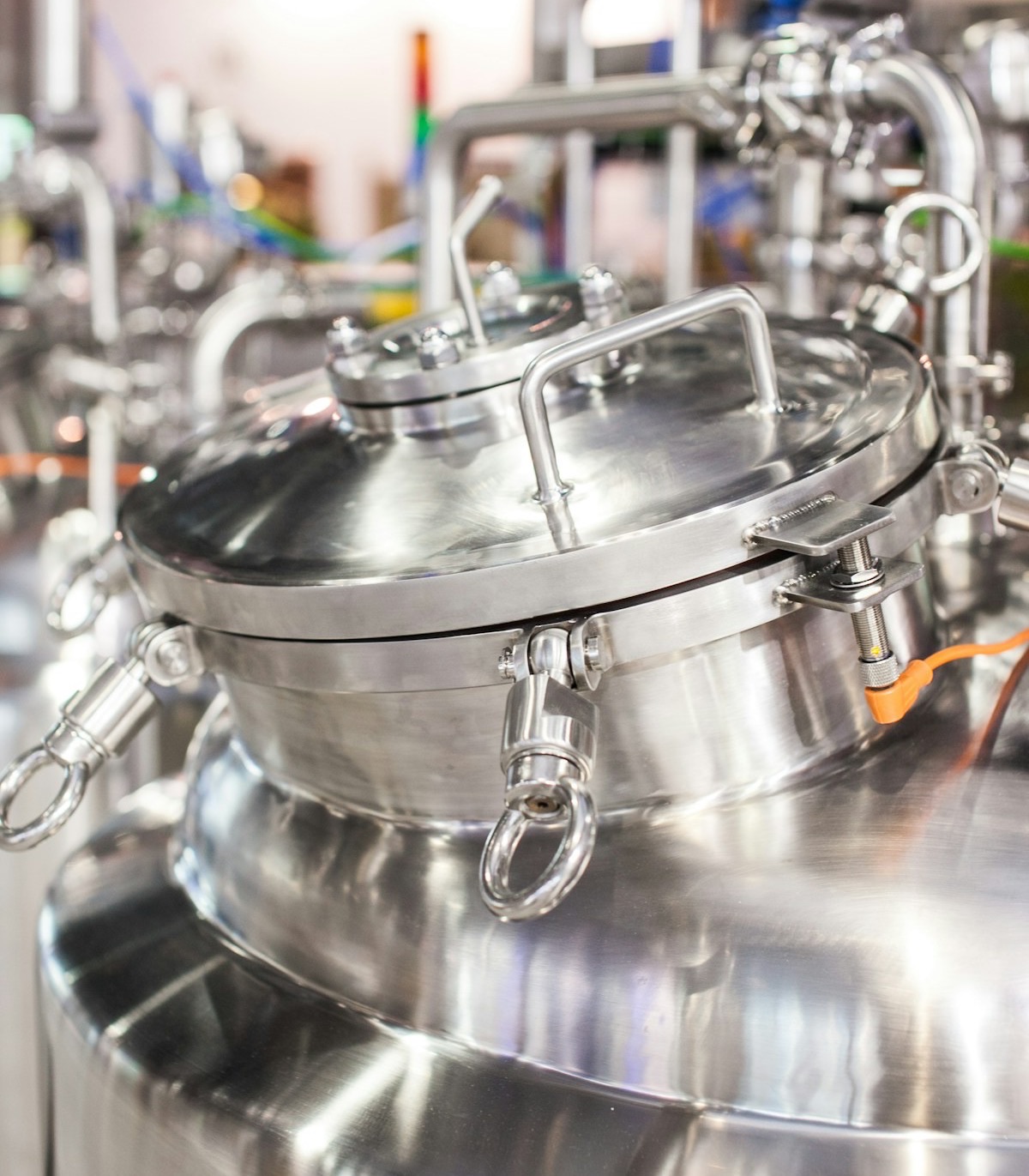
Not simply the building
What stays with the building
A study that moves these is the kind an examiner picks apart. We leave them on the building's schedule and show the row that says why.
The permanent clean-room enclosure
Permanent walls, floors, ceilings and other enclosure elements integrated into the building retain the building period.
General building HVAC
HVAC serving significant employee-comfort or general-ventilation purposes remains building property.
Building heating and cooling water systems
Hot or chilled water systems providing general building HVAC services stay with the building.
Permanent access and working spaces
Integrated interstitial spaces, catwalks and mezzanines providing building access or more than incidental working space have a building-period row.
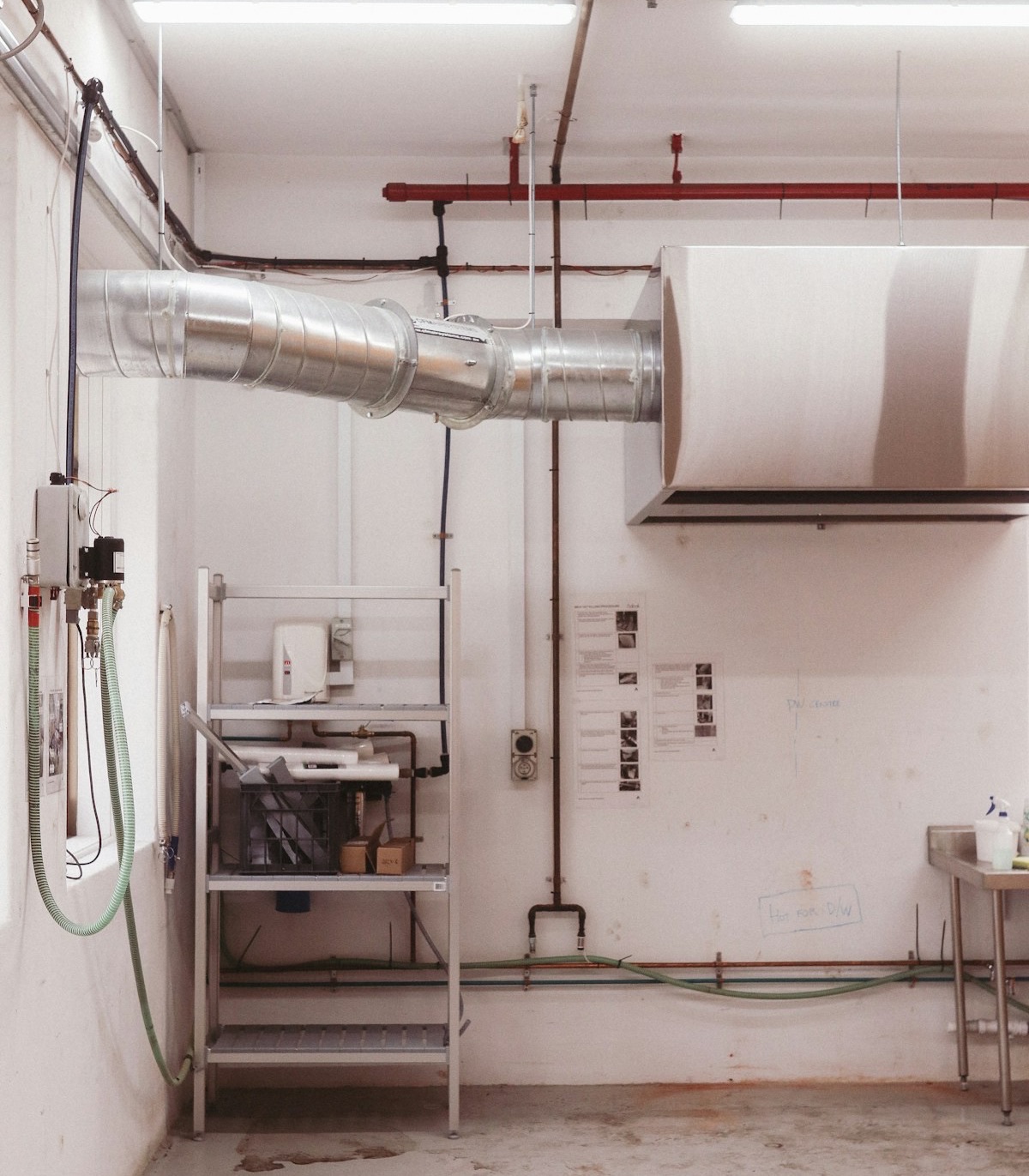
Stays with the building
Worked example
A pilot manufacturing facility, year by year
Invented figures, run through the same engine that prepares a real study.
A fictional facility with office computers, office furnishings, removable partitions and a steam plant rated at 15,000 pounds per hour for its own manufacturing use; no fixed class is assumed for Note 1 process systems.
Illustration- Purchase price
- $5,000,000
- Land
- $1,000,000
- Depreciable basis
- $4,000,000
Office computers
$30,0005-yearPub. 5653, p. 198Office furnishings
$40,0007-yearPub. 5653, p. 205Removable partitions
$60,0007-yearPub. 5653, p. 210Qualifying industrial steam plant
$250,00015-yearPub. 5653, p. 203
Where the basis goes
- 5-year
- $30,000
- 7-year
- $100,000
- 15-year
- $250,000
- 39-year building
- $3,620,000
Depreciation in the first five tax years
More depreciation in year one
+$374,722
Later years are lower with the study: the same cost, deducted sooner.
See the figures
| Year | With study | Without study |
|---|---|---|
| 2026 | $430,278 | $55,556 |
| 2027 | $92,821 | $102,564 |
| 2028 | $92,821 | $102,564 |
| 2029 | $92,821 | $102,564 |
| 2030 | $92,821 | $102,564 |
Assumed contract date: 2026-01-20. Assumed placed-in-service date: 2026-06-01.
These are depreciation deductions, not tax savings. The engine applies its 100% bonus rate for these dates, assuming the selected components qualify; it uses the half-year convention for short classes and mid-month for the building. The comparison does not apply owner-specific tax limitations.
The property and all costs above are invented for this illustration. Each component is assumed to match its cited row; the remaining basis stays in the building. The allocation and annual figures are calculated by the same depreciation engine used for a study, rather than entered as example results.
From the IRS's guide
How to read the pharmaceutical and biotech table
Written from the pages cited under each paragraph. Follow a citation to open that page of the IRS's own PDF.
The guide is written for IRS examiners. It is not legal authority; it shows how the IRS itself sorts these components.
A controlled laboratory or manufacturing environment is not a single asset in the pharmaceutical and biotechnology matrix. The table separates a clean room's permanent enclosure from special equipment installed to achieve its controlled conditions. Walls, floors and ceilings integrated into the building have a building-period entry; specialized air handling, power, vacuum and other systems are described separately. The industry's planning guidance applies those distinctions to its own manufacturing and research fact patterns.
Several of the most distinctive rows do not print a fixed recovery period. Special gas systems used in manufacturing or research, and systems producing deionized water or water for injection, refer to Note 1. That note makes the recovery period depend on use and points to the activity-class rules. Calling such a system personal property is therefore not the same as establishing that it belongs in a five-year class.
The table also distinguishes process needs from ordinary building services. General comfort HVAC, its hot or chilled water systems, and permanent access spaces between floors remain building components. Other entries do give explicit periods, including office furniture, removable interior partitions and qualifying industrial steam or electricity systems. Reading this matrix means preserving its unanswered classification questions as well as its definite answers, rather than assigning one period to everything associated with a clean room.
The full table
The reference, row by row
All 79 rows from LMSB DIRECTIVE ON COST SEGREGATION IN THE BIOTECH /PHARMACEUTICAL INDUSTRY EXHIBIT A, including the conditions behind each classification. Open a class to read its rows.
Pub. 5653, pp. 197–2105-year2 rows
Rows that place a component in the 5-year class.
Computers
Pub. 5653, p. 198
Processors (CPU), direct access storage device (DASD), tape drives, desktop and laptop computers, CRT, terminals, monitors, printers, and other peripheral equipment.
Table period: 00.12 Information Systems – 5 Years
Read the full row
Processors (CPU), direct access storage device (DASD), tape drives, desktop and laptop computers, CRT, terminals, monitors, printers, and other peripheral equipment. Excludes process equipment control systems and computers that are an integral part of building structural components (e.g., fire detection, heating, cooling, or energy management systems, etc.).
Data Handling Equipment
Pub. 5653, p. 198
Adding and accounting machines, calculators, copiers, and duplicating machines.
Table period: 00.13 Data Handling Equipment, except Computers – 5 Years
Read the full row
Adding and accounting machines, calculators, copiers, and duplicating machines. Excludes computers and computer peripheral equipment. See also Computers.
7-year11 rows
Rows that place a component in the 7-year class.
Awnings & Canopies
Pub. 5653, p. 197
Readily removable overhangs or coverings, often of canvas or plastic, used to provide shade or cover over exterior doors or windows.
Table period: Personal Property with No Class Life -7 Years
Read the full row
Readily removable overhangs or coverings, often of canvas or plastic, used to provide shade or cover over exterior doors or windows. Does not include canopies that are an integral part of a building’s structural shell, such as in the casino industry or over docks. See also Concrete Foundations & Footings and Loading Docks.
Breakrooms / Pantries / Lunchrooms
Pub. 5653, p. 197
Equipment such as tables, chairs, dishwashers, stoves, ovens, microwaves, toasters, coffee machines, refrigerators, and freezers.
Table period: Personal Property with No Class Life -7 Years
Read the full row
Equipment such as tables, chairs, dishwashers, stoves, ovens, microwaves, toasters, coffee machines, refrigerators, and freezers.
Electrical – Light Fixtures -Exterior
Pub. 5653, p. 199
Lighting that highlights only the landscaping or building exterior (but not parking areas or walkways) and does not relate to the operation or maintenance of the building.
Table period: Personal Property with No Class Life -7 Years
Read the full row
Lighting that highlights only the landscaping or building exterior (but not parking areas or walkways) and does not relate to the operation or maintenance of the building.
Electrical – Light Fixtures -Interior
Pub. 5653, p. 200
Light fixtures, such as neon, track lighting, or grow lights which are decorative in nature and not necessary for the operation or maintenance of the building.
Table period: Personal Property with No Class Life -7 Years
Read the full row
Light fixtures, such as neon, track lighting, or grow lights which are decorative in nature and not necessary for the operation or maintenance of the building. If the decorative lighting were turned off, the other sources of lighting would provide sufficient light for operation or maintenance of the building. If the decorative lighting is the primary source of lighting, then it is § 1250 property.
Millwork
Pub. 5653, p. 205
Decorative millwork is the decorative finish carpentry in a building.
Table period: Personal Property with No Class Life -7 Years
Read the full row
Decorative millwork is the decorative finish carpentry in a building. Examples include detailed crown moldings, and lattice work placed over finished walls or ceilings. The decorative millwork serves to enhance the overall décor of the building and is not related to the operation of the building. Excludes cabinets and counters in a restroom. See also Restroom Accessories.
Office Furnishings
Pub. 5653, p. 205
Desks, chairs, credenzas, file cabinets, tables, bookcases, coat racks, projection screens, and other office furniture such as workstations.
Table period: 00.11 Office Furniture, Fixtures, and Equipment – 7 Years
Read the full row
Desks, chairs, credenzas, file cabinets, tables, bookcases, coat racks, projection screens, and other office furniture such as workstations. Also includes telephone equipment, fax machines, and other communications equipment. Does not include communications equipment included in other asset classes in Rev. Proc. 87-56.
Signs
Pub. 5653, p. 208
Interior signs used to display directories of names, departments, etc.
Table period: Personal Property with No Class Life -7 Years
Read the full row
Interior signs used to display directories of names, departments, etc. Not related to the operation or maintenance of a building. Exterior signs used to display names, symbols, directions, etc. For pylon signs, includes only the sign face and related dedicated wiring. See also Poles & Pylons.
Sound Systems
Pub. 5653, p. 209
Equipment and apparatus, including wiring, used to provide amplified sound or music (e.g., public address by way of a paging system or background music).
Table period: Personal Property With No Class Life -7 Years
Read the full row
Equipment and apparatus, including wiring, used to provide amplified sound or music (e.g., public address by way of a paging system or background music). Excludes applications linked to fire protection and alarm systems.
Wall Coverings
Pub. 5653, p. 209
Strippable wallpaper that causes no damage to the underlying wall or wall surface.
Table period: Personal Property with No Class Life -7 Years
Read the full row
Strippable wallpaper that causes no damage to the underlying wall or wall surface.
Walls - Interior
Pub. 5653, p. 210
Interior walls where the partition can be 1) readily removed and remain in substantially the same condition after removal as before, or 2) moved and reused, stored, or sold in their entirety.
Table period: Personal Property with No Class Life -7 Years
Read the full row
Interior walls where the partition can be 1) readily removed and remain in substantially the same condition after removal as before, or 2) moved and reused, stored, or sold in their entirety.
Window Treatments
Pub. 5653, p. 210
Window treatments which are readily removable such as drapes, curtains, louvers, blinds, post construction tinting, etc.
Table period: Personal Property with No Class Life -7 Years
Read the full row
Window treatments which are readily removable such as drapes, curtains, louvers, blinds, post construction tinting, etc.
15-year1 row
Rows that place a component in the 15-year class.
Industrial Steam & Electric Generating Systems
Pub. 5653, p. 203
Depreciable assets, whether such assets are §§ 1245 property or 1250 property, used in the production and/or distribution of electricity with rated total capacity in excess of 500 Kilowatts and/or assets used in the production and/or distribution of steam with rated total capacity in excess of 12,500 pounds per hour for use by the taxpayer in its industrial manufacturing process or plant activity and not ordinarily available for sale to others.
Table period: 00.4 in Rev. Proc. 87-56. 00.4 Industrial Steam and Electric Generation and/or Distribution Systems - 15 Years
Read the full row
Depreciable assets, whether such assets are §§ 1245 property or 1250 property, used in the production and/or distribution of electricity with rated total capacity in excess of 500 Kilowatts and/or assets used in the production and/or distribution of steam with rated total capacity in excess of 12,500 pounds per hour for use by the taxpayer in its industrial manufacturing process or plant activity and not ordinarily available for sale to others. Does not include buildings and
structural components as defined in section 1.48-1(e) of the regulations. See Asset Class
Stays in the building33 rows
These rows stay on a building schedule; the period printed by the table is shown below.
Breakrooms / Pantries / Lunchrooms
Pub. 5653, p. 197
A space within the building used for employee breaks, lunches, etc.
Table period: Building or Building Component – 39 Years
Read the full row
A space within the building used for employee breaks, lunches, etc.
Ceilings
Pub. 5653, p. 197
All interior ceilings regardless of finish or décor; e.g., drywall or plaster, acoustic, suspended, (including hangers, frames, grids, and tiles or panels), decorative metal or tin, plastic or decorative panels, clouds, etc.
Table period: Building or Building Component – 39 Years
Read the full row
All interior ceilings regardless of finish or décor; e.g., drywall or plaster, acoustic, suspended, (including hangers, frames, grids, and tiles or panels), decorative metal or tin, plastic or decorative panels, clouds, etc. See also Clean Room / Climate Controlled Areas.
Clean Room / Climate Controlled Areas
Pub. 5653, p. 197
Areas created by fully enclosed walls, floors, ceilings, wall and floor coverings, doors, and windows.
Table period: Building or Building Component – 39 Years
Read the full row
Areas created by fully enclosed walls, floors, ceilings, wall and floor coverings, doors, and windows. These are designed to remain in place indefinitely, require substantial time and effort to construct or remove, and integrated into the building's design. These areas are climate controlled for air cleanliness, or temperature or humidity. See also HVAC, Electrical, Plumbing, Gas & Sewer, Ceilings, Floors, Walls, Windows, Doors, Wall Coverings, and Floor Coverings.
Concrete
Pub. 5653, p. 198
Foundations & Footings Foundations and footings necessary for the proper setting of the building.
Table period: Building or Building Component – 39 Years
Read the full row
Foundations & Footings Foundations and footings necessary for the proper setting of the building. Excavation and backfill for building foundations. Excavation and backfill for special equipment foundations where contained within the footprint of the building. Includes formwork, reinforcement, concrete block, and pre-cast or cast-in-place work.
Doors
Pub. 5653, p. 198
Interior and exterior doors, regardless of decoration (including but not limited to, double opening doors, overhead doors, revolving doors, entrance security gates, or fire doors) and associated hardware (such as doorknobs, closers, kick plates, hinges, locks, automatic openers, etc.).
Table period: Building or Building Component – 39 Years
Read the full row
Interior and exterior doors, regardless of decoration (including but not limited to, double
opening doors, overhead doors, revolving doors, entrance security gates, or fire doors) and associated hardware (such as doorknobs, closers, kick plates, hinges, locks, automatic openers, etc.).
Electrical
Pub. 5653, p. 199
All components of a building's or other inherently permanent structure's electrical distribution system(s) used in the operation or maintenance of the building or necessary to provide general building services (such as lighting, heating, ventilation, air conditioning, etc.), electrical outlets of general applicability and accessibility, and electrical wiring.
Table period: Building or Building Component – 39 Years
Read the full row
All components of a building's or other inherently permanent structure's electrical distribution system(s) used in the operation or maintenance of the building or necessary to provide general building services (such as lighting, heating, ventilation, air conditioning, etc.), electrical outlets of general applicability and accessibility, and electrical wiring.
Electrical – Light Fixtures -Exterior
Pub. 5653, p. 199
Exterior lighting whether decorative or not is considered § 1250 property to the extent that the lighting relates to the operation or maintenance of the building.
Table period: Building or Building Component – 39 Years
Read the full row
Exterior lighting whether decorative or not is considered § 1250 property to the extent that the lighting relates to the operation or maintenance of the building. This category includes building mounted lighting to illuminate walkways, entrances, parking, etc.
Electrical – Light Fixtures -Interior
Pub. 5653, p. 199
Includes lighting such as recessed and lay-in lighting, night lighting, and exit lighting, as well as decorative lighting fixtures that provide substantially all the artificial illumination in the building or along building walkways.
Table period: Building or Building Component – 39 Years
Read the full row
Includes lighting such as recessed and lay-in lighting, night lighting, and exit lighting, as well as decorative lighting fixtures that provide substantially all the artificial illumination in the building or along building walkways. For emergency and exit lighting, see Fire Protection & Alarm Systems.
Elevators & Escalators
Pub. 5653, p. 200
Elevators and escalators, including all components thereof (e.g., handrails and smoke baffles), which are permanently affixed to the building and designed to remain in place.
Table period: Building or Building Component – 39 Years
Read the full row
Elevators and escalators, including all components thereof (e.g., handrails and smoke baffles), which are permanently affixed to the building and designed to remain in place. They relate to the operation or maintenance of the building and are structural components.
Energy Management Systems
Pub. 5653, p. 200
Energy management systems to monitor or maximize the efficiency of building systems (such as HVAC, lighting, fire protection and security systems) by starting and stopping the systems, raising, and lowering temperatures, regulating dampers and valves, adjusting lighting levels, alerting employees to problems, etc.
Table period: Building or Building Component – 39 Years
Read the full row
Energy management systems to monitor or maximize the efficiency of building systems (such as HVAC, lighting, fire protection and security systems) by starting and stopping the systems, raising, and lowering temperatures, regulating dampers and valves, adjusting lighting levels, alerting employees to problems, etc. Includes detection devices such as smoke, motion, and infrared devices, photocells, foil and contact switches, pressure switches, proximity alarms, sensors, alarm transmitting controls, data gathering panels, demand controllers, thermostats, computer controls, outside air economizers, occupancy sensors, electronic ballasts, and all related wiring and conduit.
Fire Protection & Alarm Systems
Pub. 5653, p. 201
Fire protection and alarm systems for the protection of the building.
Table period: Building or Building Component – 39 Years
Read the full row
Fire protection and alarm systems for the protection of the building. Includes sensing devices, computer controls, sprinkler heads, associated piping or plumbing, pumps, visual and audible alarms, alarm control panels, heat and smoke detection devices, fire escapes, fire doors, emergency exit lighting and signage, and cabinets (regardless of mounting) holding fire-fighting equipment such as fire extinguishers, fire hoses, etc.
Floor Coverings
Pub. 5653, p. 201
Floor covering affixed with permanent adhesive, nailed, or screwed in place.
Table period: Building or Building Component – 39 Years
Read the full row
Floor covering affixed with permanent adhesive, nailed, or screwed in place. Includes marble, paving brick, ceramic or quarry tile, and other coverings cemented, mudded, or grouted to the floor; vinyl composition tile (VCT), sheet vinyl, carpeting, or wood attached with permanent adhesive, nails, or screws; and paint, epoxy, coatings, and sealers directly applied to the floor.
Floors
Pub. 5653, p. 201
Includes concrete slabs and other floor systems.
Table period: Building or Building Component – 39 Years
Read the full row
Includes concrete slabs and other floor systems. Floors include special treatments applied to or otherwise a permanent part of the floor. For example, "super-flat" finish, sloped drainage basins, raised perimeter, cooler, freezer, and garbage room floors. Does not include special
foundations - see Concrete Foundations & Footings.
Gas & Sewer
Pub. 5653, p. 202
All components of a building's or other inherently permanent structure's natural gas distribution system and sewer collection system used in the operation or maintenance of the building or necessary to provide general building services, e.g., hot water and hot air (natural gas) and waste removal (sewer).
Table period: Building or Building Component – 39 Years
Read the full row
All components of a building's or other inherently permanent structure's natural gas distribution system and sewer collection system used in the operation or maintenance of the building or necessary to provide general building services, e.g., hot water and hot air (natural gas) and waste removal (sewer).
Heating, Ventilating, Air Conditioning (HVAC)
Pub. 5653, p. 202
All components of a building's or other inherently permanent structure's central heating, ventilating and air conditioning distribution system(s) used in the operation or maintenance of the building or necessary to provide general building services such as forced cool and hot air, ventilation, ductwork, air handlers, exchangers, baffles.
Table period: Building or Building Component – 39 Years
Read the full row
All components of a building's or other inherently permanent structure's central heating, ventilating and air conditioning distribution system(s) used in the operation or maintenance of the building or
necessary to provide general building services such as forced cool and hot air, ventilation, ductwork, air handlers, exchangers, baffles. HVAC systems that are installed not only to meet the temperature and humidity requirements of machinery, but are also installed for additional significant purposes, such as employee comfort and ventilation, are building components.
HVAC - Hot or Chilled Water Systems
Pub. 5653, p. 203
All components of a building's or other inherently permanent structure's hot or chilled water system(s) used in the operation or maintenance of the building or necessary to provide general building services associated with the heating, ventilating, and air conditioning system(s).
Table period: Building or Building Component – 39 Years
Read the full row
All components of a building's or other inherently permanent structure's hot or chilled water system(s) used in the operation or maintenance of the building or necessary to provide general building services associated with the heating, ventilating, and air conditioning system(s). Includes boilers, chillers and cooling towers, pumps, valves, heat exchangers, air handling units, piping (both source and return), etc. See also Heating, Ventilating, Air Conditioning (HVAC).
Interstitial Areas, Catwalks and Mezzanines
Pub. 5653, p. 204
Interstitial areas created by fully enclosed decks and walls between functional floors of a building, catwalks and mezzanines that provide access to various sections or levels of the building or provide more than incidental working space.
Table period: Building or Building Component – 39 Years
Read the full row
Interstitial areas created by fully enclosed decks and walls between functional floors of a building, catwalks and mezzanines that provide access to various sections or levels of the building or provide more than incidental working space. Designed to remain in place indefinitely, require substantial time and effort to construct or remove and integrated into building design.
Loading Docks
Pub. 5653, p. 204
Bumpers, permanently installed dock levelers, plates, seals, lights, canopies, docks, and overhead doors used in the receiving and shipping of supplies and raw materials, work in process, and finished products inventories.
Table period: Building or Building Component – 39 Years
Read the full row
Bumpers, permanently installed dock levelers, plates, seals, lights, canopies, docks, and overhead doors used in the receiving and shipping of supplies and raw materials, work in process, and finished products inventories.
Millwork
Pub. 5653, p. 205
General millwork is all building materials made of finished wood (e.g., doors and frames, window frames, sashes, porch work, mantels, panel work, stairways, and special woodwork).
Table period: Building or Building Component – 39 Years
Read the full row
General millwork is all building materials made of finished wood (e.g., doors and frames, window frames, sashes, porch work, mantels, panel work, stairways, and special woodwork). Includes pre-built wooden items brought to the site for installation and items constructed on site; such as restroom cabinets, door jambs, moldings, trim, etc.
Parking Structures
Pub. 5653, p. 205
Any structure or edifice the purpose of which is to provide parking space.
Table period: Building or Building Component – 39 Years
Read the full row
Any structure or edifice the purpose of which is to provide parking space. Includes garages, parking ramps, or other parking structures.
Plumbing
Pub. 5653, p. 205
All components of a building's or other inherently permanent structure's plumbing distribution system(s) used in the operation or maintenance of the building or necessary to provide general building services such as drains, valves, water flow switches, restroom plumbing fixtures (e.g., toilets) and piping, electric water coolers, and sprinkler mains and heads.
Table period: Building or Building Component – 39 Years
Read the full row
All components of a building's or other inherently permanent structure's plumbing distribution system(s) used in the operation or maintenance of the building or necessary to provide general building services such as drains, valves, water flow switches, restroom plumbing fixtures (e.g., toilets) and piping, electric water coolers, and
sprinkler mains and heads. See also Gas & Sewer.
Restroom Accessories
Pub. 5653, p. 206
Paper towel dispensers, electric hand dryers, towel racks or holders, cup dispensers, purse shelves, toilet paper holders, soap dispensers or holders, lotion dispensers, sanitary napkin dispensers and waste receptacles, coat hooks, handrails, grab bars, mirrors, shelves, vanity cabinets, counters, ashtrays, and other items that are built into or mounted on walls or partitions.
Table period: Building or Building Component – 39 Years
Read the full row
Paper towel dispensers, electric hand dryers, towel racks or holders, cup dispensers, purse shelves, toilet paper holders, soap dispensers or holders, lotion dispensers, sanitary napkin dispensers and waste receptacles, coat hooks, handrails, grab bars, mirrors, shelves, vanity cabinets, counters, ashtrays, and other items that are built into or mounted on walls or partitions.
Restroom Partitions
Pub. 5653, p. 206
Shop made and standard manufacture toilet partitions.
Table period: Building or Building Component – 39 Years
Read the full row
Shop made and standard manufacture toilet partitions.
Roof
Pub. 5653, p. 207
All elements of the roof including but not limited to joists, rafters, deck, shingles, vapor barrier, skylights, trusses, girders, and gutters.
Table period: Building or Building Component – 39 Years
Read the full row
All elements of the roof including but not limited to joists, rafters, deck, shingles, vapor barrier, skylights, trusses, girders, and gutters. Determination of whether decorative elements of a roof (e.g., false dormers, mansard) constitute structural building components depends on their integration with the overall roof, not their load bearing capacity. If removal of the decorative element results in the direct exposure of building components to water, snow, wind, or moisture damage, or if the decorative element houses lighting fixtures, wiring, or other structural components, then the decorative elements are part of the overall roof system and are structural components of the building.
Security Systems
Pub. 5653, p. 207
Security equipment for the protection of the building (and its contents) from burglary or vandalism and protection of employees from assault.
Table period: Building or Building Component – 39 Years
Read the full row
Security equipment for the protection of the building (and its contents) from burglary or vandalism and protection of employees from assault. Examples include window and door locks; card key access systems; keyless entry systems; security cameras, recorders, monitors, and related equipment; perimeter and interior building motion detectors; security lighting; alarm systems; and security system wiring and conduit.
Signs
Pub. 5653, p. 208
Exit signs, restroom identifiers, room numbers, fire lanes, building identification, and other signs relating to the operation or maintenance of a building.
Table period: Building or Building Component – 39 Years
Read the full row
Exit signs, restroom identifiers, room numbers, fire lanes, building identification, and other signs relating to the operation or maintenance of a building.
Site Preparation, Grading & Excavation
Pub. 5653, p. 208
Depreciable clearing, grading, excavating and removal costs directly associated with and necessary for the proper setting of the building and building components are part of the cost of construction of the building.
Table period: Building or Building Component – 39 Years
Read the full row
Depreciable clearing, grading, excavating and removal costs directly associated with and necessary for the proper setting of the building and building components are part of the cost of construction of the building. See also Concrete Foundations & Footings.
Site Utilities
Pub. 5653, p. 208
Site utilities begin where the responsibility rests with the taxpayer and not the utility company which is providing the service.
Table period: Building or Building Component – 39 Years
Read the full row
Site utilities begin where the responsibility rests with the taxpayer and not the utility company which is providing the service. Site utilities end at either a building or other permanent structure. Site utilities also include any distribution systems between buildings or other permanent structures. The cost of the site utilities would not have to be reincurred if the building or other permanent structure was repaired, rebuilt, or even torn down and replaced with some other type of building. Typically, the utilities provided would be electricity,
natural gas, water, sewer, and steam. See also Electrical, Plumbing, and Gas & Sewer.
Trash Enclosures
Pub. 5653, p. 209
Enclosures attached to the building for waste receptacles.
Table period: Building or Building Component – 39 Years
Read the full row
Enclosures attached to the building for waste receptacles. Typically constructed of the same materials as the building shell with either interior or exterior access. These trash enclosures are an integral part of the building shell and cannot be moved without damage to the underlying building.
Wall Coverings
Pub. 5653, p. 209
Includes interior and exterior paint; ceramic or quarry tile, marble, stone, brick, and other finishes affixed with mortar, cement, or grout; paneling, wainscoting, and other wood finishes affixed with nails, screws, or permanent adhesives; sanitary finishes such as Fiberglass Reinforced Plastic (FRP), stainless steel, or plastic; sound absorbing or fabric wall panels; and wall protection (such as bumpers, corner guards, etc.).
Table period: Building or Building Component – 39 Years
Read the full row
Includes interior and exterior paint; ceramic or quarry tile, marble, stone, brick, and other finishes affixed with mortar, cement, or grout; paneling, wainscoting, and other wood finishes affixed with nails, screws, or permanent adhesives; sanitary finishes such as Fiberglass Reinforced Plastic (FRP), stainless steel, or plastic; sound absorbing or fabric wall panels; and wall protection (such as bumpers, corner guards, etc.).
Walls - Exterior
Pub. 5653, p. 209
All exterior walls and building support regardless of construction materials.
Table period: Building or Building Component – 39 Years
Read the full row
All exterior walls and building support regardless of construction materials. Exterior walls may include columns, posts, beams, girders, curtain walls, tilt up panels, studs, framing, sheetrock, insulation, windows, doors, exterior façade, brick, masonry, etc.
Walls - Interior
Pub. 5653, p. 209
All load bearing interior partitions regardless of construction.
Table period: Building or Building Component – 39 Years
Read the full row
All load bearing interior partitions regardless of construction. Also includes non-load bearing partitions regardless of height (typically constructed of studs and sheetrock or other materials) that divide or create rooms or provide traffic control. Includes rough carpentry and
finishes such as plaster, dry wall, gypsum board, concrete block, glass, or metal.
Windows
Pub. 5653, p. 210
Exterior and interior windows.
Table period: Building or Building Component – 39 Years
Read the full row
Exterior and interior windows.
Land1 row
Land is not depreciable.
Site Preparation, Grading & Excavation
Pub. 5653, p. 208
Non-depreciable land preparation costs, in general, include the one-time cost of demolition, clearing and grubbing, blasting, site stripping, fill or excavation, dewatering, and grading to allow development of land.
Table period: Land - Not Depreciable
Read the full row
Non-depreciable land preparation costs, in general, include the one-time cost of demolition, clearing and grubbing, blasting, site stripping, fill or excavation, dewatering, and grading to allow development of land. Clearing and grubbing is the removal of debris, brush, trees, etc. from the site. Stripping is the removal of the topsoil to provide a stable surface for site and building improvements. The grading of land involves moving soil for the purpose of producing a more level surface to allow development of the land. These costs would not have to be reincurred if the building was repaired, rebuilt, or even torn down and replaced with some other type of building.
Depends on the facts31 rows
These rows give alternatives, instructions or no definite recovery period.
Bridges & Tunnels
Pub. 5653, p. 197
Depreciable improvements directly to or added to land, whether such improvements are §§ 1245 or 1250.
Table period: 00.3 - Land Improvements but see Note 2 for exceptions
Read the full row
Depreciable improvements directly to or added to land, whether such improvements are §§ 1245 or 1250. Includes bridges and tunnels and all construction required for their completion (such as excavation, backfill, footings, foundations, piers, stone base, paving, etc.).
Clean Room / Climate Controlled Areas – Special Equipment
Pub. 5653, p. 197
Special items installed to achieve a controlled environment (air cleanliness, temperature, or humidity) and to operate the facilities in a clean room / climate controlled area (such as special variable power outlets; electric power, air, and vacuum lines; duct work; special air handling units and HEPA filters; refrigeration units, steam boilers, and temperature controls).
Table period: Personal Property -Note 1
Read the full row
Special items installed to achieve a controlled environment (air cleanliness, temperature, or humidity) and to operate the facilities in a clean room / climate controlled area (such as special variable power outlets; electric power, air, and vacuum lines; duct work; special air handling units and HEPA filters; refrigeration units, steam boilers, and temperature controls). Does not include building systems used in the operation or
maintenance of the building or necessary to provide general building services.
Concrete Foundations & Footings
Pub. 5653, p. 198
Foundations and footings for signs, light poles, and other land improvements (except buildings).
Table period: 00.3 - Land Improvements but see Note 2 for exceptions
Read the full row
Foundations and footings for signs, light poles, and other land improvements (except buildings). Includes excavation, backfill, formwork, reinforcement, concrete block, and pre-cast or cast-in-place work.
Concrete Foundations & Footings
Pub. 5653, p. 198
A foundation, pad, or footing for machinery or equipment that is so specially designed that it is in essence a part of the machinery or equipment.
Table period: Personal Property -Note 1
Read the full row
A foundation, pad, or footing for machinery or equipment that is so specially designed that it is in essence a part of the machinery or equipment. Any function as a building component must be strictly incidental to the function as an essential part of the item of machinery or equipment that necessitated the special design of the foundation. Increased thickness alone is not sufficient to show that the foundation, pad, or footing is so specially designed that it is in essence a part of the machinery or equipment it supports. Excavation and backfill are not included where the foundation, pad, or footing is contained within the footprint of the building. Includes formwork, reinforcement, concrete block, and pre-cast or cast-in-place work.
Electrical
Pub. 5653, p. 199
Special electrical connections which are necessary to and used directly with a specific item of machinery or equipment or connections between specific items of individual machinery or equipment; such as dedicated electrical outlets, wiring, conduit, and circuit breakers by which machinery and equipment is connected to the building's or other inherently permanent structure's electrical distribution system(s).
Table period: Personal Property -Note 1
Read the full row
Special electrical connections which are necessary to and used directly with a specific item of machinery or equipment or connections between specific items of individual machinery or equipment; such as dedicated electrical outlets, wiring, conduit, and circuit breakers by which machinery and equipment is connected to the building's or other inherently permanent structure's electrical distribution system(s). Does not include electrical outlets of general applicability and accessibility. See Chapter 5 of the Cost Segregation Audit Techniques Guide for allocation examples.
Electrical – Light Fixtures -Exterior
Pub. 5653, p. 199
Pole mounted or freestanding outdoor lighting system to illuminate sidewalks, parking or recreation areas See also, Poles & Pylons
Table period: 00.3 - Land Improvements but see Note 2 for exceptions
Read the full row
Pole mounted or freestanding outdoor lighting system to illuminate sidewalks, parking or recreation areas See also, Poles & Pylons
Electrical – Light Fixtures -Special Use
Pub. 5653, p. 200
Special light fixtures which are necessary to and used directly with a specific item of machinery or equipment, manufacturing process, or research and experimentation activity.
Table period: Personal Property -Note 1
Read the full row
Special light fixtures which are necessary to and used directly with a specific item of machinery or equipment, manufacturing process, or research and experimentation activity. Does not include light fixtures that relate to the operation or maintenance of the building.
Energy Management Systems
Pub. 5653, p. 200
Energy management systems to monitor or maximize the efficiency of non-building systems by starting and stopping process equipment, regulating equipment air handlers, detecting chemical leaks or equipment operating temperatures, monitoring power quality, etc.
Table period: Personal Property -Note 1
Read the full row
Energy management systems to monitor or maximize the efficiency of non-building systems by starting and stopping process equipment, regulating equipment air handlers, detecting chemical leaks or equipment operating temperatures, monitoring power quality, etc. Includes sensors, alarm transmitting controls, data gathering panels, demand controllers, thermostats, computer controls, outside air economizers, and related wiring and conduit for the non-building energy management system.
Fencing, Retaining Walls, Screen Walls, Fountains & Other Land Improvements
Pub. 5653, p. 201
Depreciable improvements directly to or added to land, whether such improvements are §§ 1245 or 1250 property.
Table period: 00.3 - Land Improvements but see Note 2 for exceptions
Read the full row
Depreciable improvements directly to or added to land, whether such improvements are §§ 1245 or 1250 property. Examples include fences; canals; waterways; drainage facilities; sewers (not including municipal sewers in Class 51); retaining walls; water falls, and fountains; holding, settling, or detention ponds; and irrigation systems.
Fire Protection Equipment
Pub. 5653, p. 201
Special fire detection or suppression systems (such as Halon or Carbon Dioxide, etc.) directly associated with a piece of equipment or process.
Table period: Personal Property -Note 1
Read the full row
Special fire detection or suppression systems (such as Halon or Carbon Dioxide, etc.) directly associated with a piece of equipment or process. Fire extinguishers and related fire extinguisher cabinets designed and used for protection against a particular hazard created by a business activity. See Restaurant Industry Directive for restaurants, cafeterias, or other commercial food preparation areas.
Floor Coverings
Pub. 5653, p. 201
Floor covering that is installed by means of strippable adhesives and can be 1) readily removed and remain in substantially the same condition after removal as before, or 2) moved and reused, stored, or sold in its entirety.
Table period: Personal Property -Note 1
Read the full row
Floor covering that is installed by means of strippable adhesives and can be 1) readily removed and remain in substantially the same condition after removal as before, or 2) moved and reused, stored, or sold in its entirety.
Floors
Pub. 5653, p. 202
Raised false floors located in a limited area and installed over an existing floor to accommodate specific equipment.
Table period: Personal Property -Note 1
Read the full row
Raised false floors located in a limited area and installed over an existing floor to accommodate specific equipment. Such floors are a necessary part of the installation and operation of the specific equipment they accommodate. Removal of these floors does not result in extensive renovations or loss of functionality within the building.
Gas & Sewer
Pub. 5653, p. 202
Special natural gas and sewer connections which are necessary to and used directly with a specific item of machinery or equipment or connections between specific items of individual machinery or equipment.
Table period: Personal Property -Note 1
Read the full row
Special natural gas and sewer connections which are necessary to and used directly with a specific item of machinery or equipment or connections between specific items of individual machinery or equipment. Includes dedicated piping, valves, and hook-ups by which machinery and equipment are connected to the building's or other inherently permanent structure's natural gas distribution system(s) or sewer collection system(s). Does not include natural gas or sewer connections of general applicability and accessibility.
Gas & Sewer -Special Gas Systems
Pub. 5653, p. 202
Special gas systems separate from the building's or other inherently permanent structure's natural gas system which are used in a manufacturing process or research and experimentation activity.
Table period: Personal Property -Note 1
Read the full row
Special gas systems separate from the building's or other inherently permanent structure's natural gas system which are used in a manufacturing process or research and experimentation activity. Special gas would include carbon dioxide, pure oxygen, nitrogen, argon, etc. Includes filters, tanks, pumps, specialized piping, valves, and end use connections.
Gas & Sewer -Special Waste Systems
Pub. 5653, p. 202
Special waste or sewer systems separate from the building's or other inherently permanent structure's sewer collection system which are used in a manufacturing process or research and experimentation activity.
Table period: Personal Property -Note 1
Read the full row
Special waste or sewer systems separate from the building's or other inherently permanent structure's sewer collection system which are used in a manufacturing process or research and experimentation activity. Special waste would include toxic, bio-hazard, nuclear, and medical. Includes filters, tanks, pumps, specialized piping, and valves.
Heating, Ventilating, Air Conditioning (HVAC)
Pub. 5653, p. 203
Special and separate HVAC units that meet the sole justification test are included (i.e., machinery the sole justification for the installation of which is the fact that such machinery is required to meet temperature or humidity requirements which are essential for the operation of other machinery or the processing of materials or used in connection with research or experimentation).
Table period: Personal Property -Note 1
Read the full row
Special and separate HVAC units that meet the sole justification test are included (i.e., machinery the sole justification for the installation of which is the fact that such machinery is required to meet temperature or humidity requirements which are essential for the operation of other machinery or the processing of materials or used in connection with research or experimentation). HVAC may meet the sole justification test even though it incidentally provides for the comfort of employees, or serves, to an insubstantial degree, areas where such temperature or humidity requirements are not essential. Includes refrigeration units, condensers, compressors, accumulators, coolers, pumps, connecting pipes, and wiring for the mechanical equipment for climate controlled rooms, walk-in freezers, and coolers. See also Clean Room / Climate Controlled Areas. Allocation of HVAC is not appropriate.
Interstitial Areas, Catwalks and Mezzanines
Pub. 5653, p. 204
Interstitial areas created by fully enclosed decks and walls between functional floors of a building, catwalks and mezzanines designed and constructed only to provide access to inspect, repair, or operate specific items of machinery or equipment.
Table period: Personal Property -Note 1
Read the full row
Interstitial areas created by fully enclosed decks and walls between functional floors of a building, catwalks and mezzanines designed and constructed only to provide access to inspect, repair, or operate specific items of machinery or equipment.
Landscaping & Shrubbery
Pub. 5653, p. 204
Depreciable improvements directly to or added to land, whether such improvements are section 1245 or 1250 property.
Table period: 00.3 - Land Improvements but see Note 2 for exceptions
Read the full row
Depreciable improvements directly to or added to land, whether such improvements are section 1245 or 1250 property. Examples include landscaping, shrubbery, trees, and sod.
Machinery & Equipment
Pub. 5653, p. 204
Tangible personal property, not covered elsewhere, which is in the nature of machinery or equipment.
Table period: Personal Property -Note 1
Read the full row
Tangible personal property, not covered elsewhere, which is in the nature of machinery or equipment. Includes a structure which is essentially an item of machinery or equipment if the use of the structure is so closely related to the use of such property that the structure clearly can be expected to be replaced when the property it initially houses is replaced. Factors which indicate that a structure is closely related to the use of the property it houses include the fact that the structure is specifically designed to provide for the stress and other demands of such property and the fact that the structure could not be economically used for other purposes. Includes such structures as oil and gas storage tanks, grain storage bins, silos, fractionating towers, blast furnaces, basic oxygen furnaces, coke ovens, brick kilns, and coal tipples. Does not include structural components of a building or other
inherently permanent structure. See also Plumbing; Electrical; Heating, Ventilating, Air Conditioning (HVAC); and Elevators & Escalators.
Parking Lots
Pub. 5653, p. 205
Depreciable improvements directly to or added to land, whether such improvements are §§ 1245 or 1250.
Table period: 00.3 - Land Improvements but see Note 2 for exceptions
Read the full row
Depreciable improvements directly to or added to land, whether such improvements are §§ 1245 or 1250. Grade level surface parking and base area usually constructed of asphalt, brick, concrete, stone, or similar material. Also includes bumper blocks, curb cuts, curb work, striping, concrete landscape islands, truck parking ramps and staging areas, and traffic control systems (such as traffic lights and detectors, card readers, parking equipment, etc.). See also Roadways.
Plumbing
Pub. 5653, p. 206
Special plumbing connections which are necessary to and used directly with a specific item of machinery or equipment or connections between specific items of individual machinery or equipment.
Table period: Personal Property -Note 1
Read the full row
Special plumbing connections which are necessary to and used directly with a specific item of machinery or equipment or connections between specific items of individual machinery or equipment. Includes dedicated piping, valves, and hook-ups by which machinery and equipment is connected to the building's or other inherently permanent structure's plumbing distribution system(s). Does not include plumbing hook-ups of general applicability and accessibility.
Plumbing – Special Water Systems
Pub. 5653, p. 206
Special water systems separate from the building's or other inherently permanent structure's plumbing systems which are used to produce specialty water such as deionized water (DI) or water for injection (WFI) which is required in a manufacturing process or research and experimentation activity.
Table period: Personal Property -Note 1
Read the full row
Special water systems separate from the building's or other inherently permanent structure's plumbing systems which are used to produce specialty water such as deionized water (DI) or water for injection (WFI) which is required in a manufacturing process or research and experimentation activity. Includes filters, tanks, pumps, specialized piping, valves, and end use connections.
Poles & Pylons
Pub. 5653, p. 206
Poles made of metal or similar material usually set in concrete footings or bolt-mounted to concrete piers.
Table period: 00.3 - Land Improvements but see Note 2 for exceptions
Read the full row
Poles made of metal or similar material usually set in concrete footings or bolt-mounted to concrete piers. Their use is for supporting parking area lights, signage, flags, etc. Pylons made of concrete, brick, wood frame and stucco, or similar materials usually set in the ground or on a concrete foundation, and usually used for signage. Note* asset class 00.3 Land improvements includes both §§ 1245 and 1250 property per Rev. Proc. 87-56. See also Signs and Electrical – Light Fixtures – Exterior.
Restaurant / Cafeteria - In Facility
Pub. 5653, p. 206
Facilities that include a restaurant, cafeteria, or other commercial food preparation property such as a deli or snack bar.
Table period: See Restaurant Industry Directive
Read the full row
Facilities that include a restaurant, cafeteria, or other commercial food preparation property such as a deli or snack bar.
Retail Store – In Facility
Pub. 5653, p. 207
A retail store or employee outlet, used to sell merchandise (such as company products, newspapers, magazines, film, and digital images, etc.).
Table period: See Retail Industry Directive
Read the full row
A retail store or employee outlet, used to sell merchandise (such as company products, newspapers, magazines, film, and digital images, etc.).
Roadways
Pub. 5653, p. 207
Depreciable improvements directly to or added to land, whether such improvements are §§ 1245 or 1250.
Table period: 00.3 - Land Improvements but see Note 2 for exceptions
Read the full row
Depreciable improvements directly to or added to land, whether such improvements are §§ 1245 or 1250. Grade level driveways, roads, and base areas usually constructed of asphalt, brick, concrete, stone, or similar material. Also includes guard rails, curb cuts, and curb work.
Security Systems
Pub. 5653, p. 207
Electronic surveillance systems used to track and monitor tangible items, e.g., raw materials, work in process, and finished products inventories.
Table period: Personal Property -Note 1
Read the full row
Electronic surveillance systems used to track and monitor tangible items, e.g., raw materials, work in process, and finished products inventories. Includes scanners, electronic gates, surveillance cameras, recorders, monitors, and related equipment.
Sidewalks & Curbs
Pub. 5653, p. 207
Depreciable improvements directly to or added to land, whether such improvements are §§ 1245 or 1250.
Table period: 00.3 - Land Improvements but see Note 2 for exceptions
Read the full row
Depreciable improvements directly to or added to land, whether such improvements are §§ 1245 or 1250. Sidewalks and curbs are usually constructed of concrete, asphalt, stone, or similar material.
Site Preparation, Grading & Excavation
Pub. 5653, p. 208
Depreciable clearing, grading, excavating and removal costs directly associated with the construction of sidewalks, parking areas, roadways and other depreciable land improvements are part of the cost of construction of the improvements.
Table period: 00.3 - Land Improvements but see Note 2 for exceptions
Read the full row
Depreciable clearing, grading, excavating and removal costs directly associated with the construction of sidewalks, parking areas, roadways and other depreciable land improvements are part of the cost of construction of the improvements.
Site Utilities
Pub. 5653, p. 209
Drainage facilities and sewers that are not municipal sewers.
Table period: 00.3 - Land Improvements but see Note 2 for exceptions
Read the full row
Drainage facilities and sewers that are not municipal sewers.
Trash Enclosures Trash Enclosures
Pub. 5653, p. 209
Freestanding enclosures, typically constructed on a concrete pad with its posts set in the concrete, for waste receptacles.
Table period: 00.3 - Land Improvements but see Note 2 for exceptions
Read the full row
Freestanding enclosures, typically constructed on a concrete pad with its posts set in the concrete, for waste receptacles. Serves both safety and decorative functions.
Questions about pharmaceutical and biotech
A closer reading
The cases owners and preparers ask about most, answered from the table, with the page behind each answer.
How a component list becomes a studyIs the whole clean room equipment?
The matrix treats the permanent clean-room enclosure as a building component. A separate entry describes special equipment needed to achieve controlled conditions, excluding general building-service systems.
What recovery period applies to specialty gas and water systems?
Those rows identify personal property but refer to Note 1 rather than print a fixed number of years. Note 1 says the period depends on use and directs the reader to the activity-class rules.
When does an interior partition get the seven-year period?
The removable-wall entry requires a partition that can be removed in substantially the same condition or moved and reused, stored or sold in its entirety. Permanent interior walls are covered by the separate building-component entry.
Are process-control computers included with office computers?
The five-year information-systems row excludes process-equipment control systems. It also excludes computers integral to structural building systems such as fire detection, heating and cooling.
Does the pharma directive determine the law for every facility?
The directive is industry-specific guidance for classification and examination, and its introduction says it is not an official pronouncement of law. Its descriptions reflect pharmaceutical and biotechnology fact patterns that may not apply to other industries.
Free for every property
See what your building is worth in deductions
Start free studyNo card, no sales call